


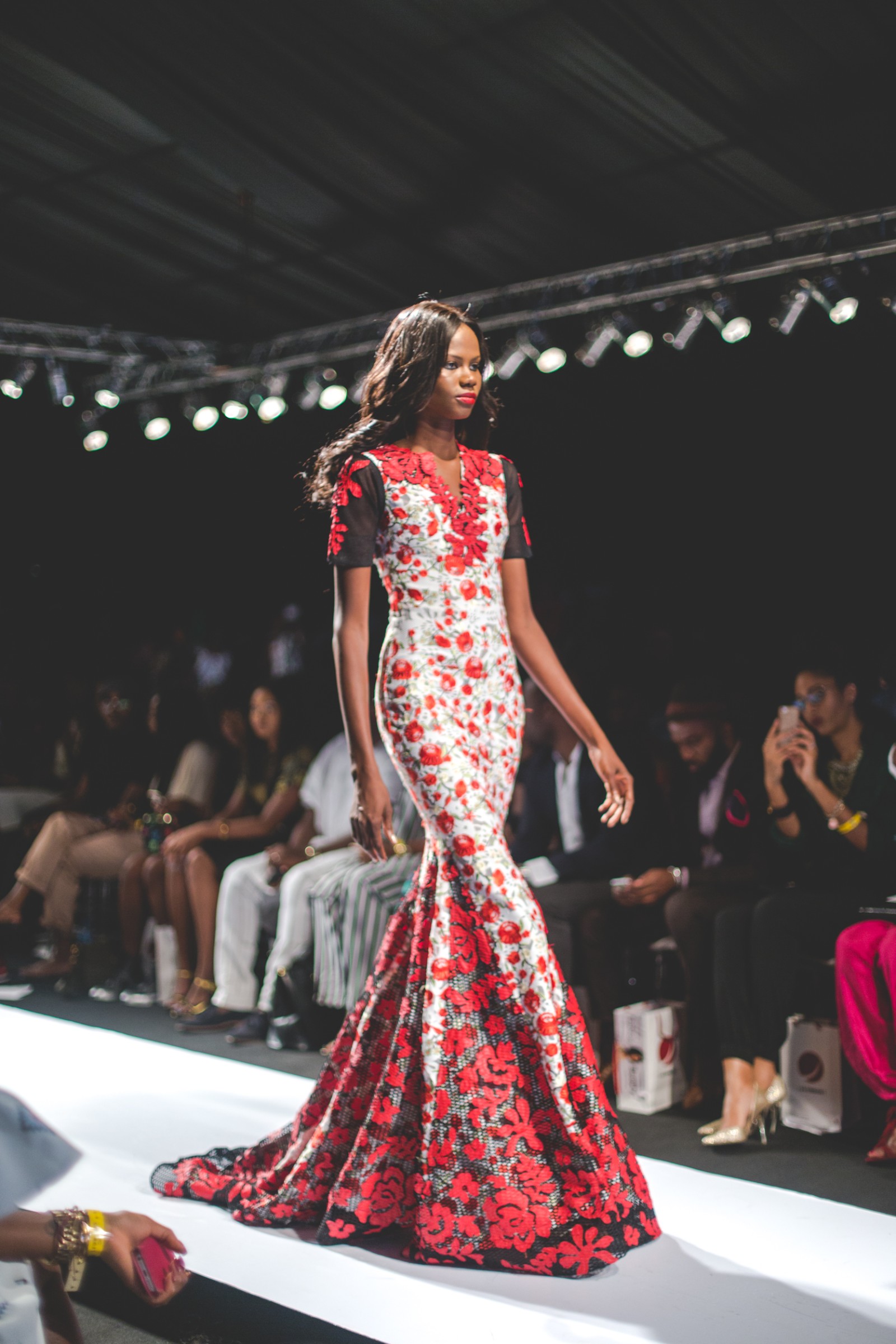
Lagos, Nigeria’s largest city, hosted the 16th edition of Lagos Fashion Week. The event ran from 28 October to 1 November 2026 and showcased Spring/Summer 2027 (SS27) collections. According to British Vogue, close to 70 designers took to the runway in the tents at the Federal Palace Hotel, as well as at off-site shows in some of the city’s most exclusive neighbourhoods. The Business of Fashion (BoF), meanwhile, highlighted the season’s most striking feature: the event now draws not only Nigerian labels but brands from across the continent.
Designers from every corner of the continent
According to BoF, the schedule included brands from countries such as Côte d’Ivoire, South Africa, Morocco and Uganda. These designers were not only there to show collections; they also wanted to gain visibility in West Africa, a large market, and to connect with the international guests who came for the week. Newcomers to the schedule included Ugandan label IGC Fashion, while South Africa’s Imprint ZA, Côte d’Ivoire’s Elie Kuame and Ghana’s Christie Brown returned to Lagos after an absence of several years.
The heavyweights of the local scene were back too. Nigerian designers such as Lisa Folawiyo and Bridget Awosika were on the schedule again. BoF links these returns to two motivations: sharing in the buzz the event creates, and reaching the foreign buyers and press present in the city.
Sustainability at the centre of the agenda once again
Lagos Fashion Week has long put sustainable fashion at the heart of its programme. Last year, for example, saw the publication of the Project Irapada report mapping textile waste in Lagos. In June, three organisations — Lagos Fashion Week, Style House Files and the Earthshot Prize — jointly published a 13-page manifesto charting a road map towards a regenerative fashion future. This season, the Irapada showcase featured brands such as Iamisigo, TunTunre and Eki Kere.
Business workshops spread across every day of the week also continued, with partners including Deloitte, the Italian Institute of Fashion Management and BoF, all contributing talks and panels. The event’s founder, Omoyemi Akerele, received an award for excellence in commercial and creative leadership, presented by US Consul General in Lagos Brandon Hudspeth. The award recognised that Akerele’s platform has been connecting Nigerian designers with American buyers and retailers for more than fifteen years.
6 standout trends from the SS27 runways
British Vogue writer Ugonna-Ora Owoh grouped the season under six headings. Here is a brief summary.
- Playfulness continues. Ajanéé brought together references to childhood, pop culture and fantasy through straw dresses, patchwork and superhero-inspired prints. Dukun joined the schedule for the first time, while Oshobor staged a theatrical finale with dresses made from wool waste.
- Dressing for the heat. An unusually hot season in Lagos was reflected in the collections too. Dust of the Earth interpreted knitwear and crochet in lightweight textures, while Garbe turned to silhouettes that leave the chest bare.
- The power businesswoman is back. In its “All Boys Out” collection, Atafo revisited the corporate dressing that is the brand’s signature. DWL brought local Nigerian weaves such as aso oke to this silhouette, and Boyedoe took a similar line with sequinned coats and patchwork denim.
- Raffia takes the stage. Tassels and fringing led the way for a long time, but this season raffia drew the attention. Kíléntár stood out with its colourful use of raffia, while Pepper Row, Bornstar Nigeria and Fruché also worked the material in different ways. Fringing did not disappear entirely, though: Jewel Jemila, Mulāwwan and Lisa Folawiyo’s “After Rain” collection all made room for the detail.
- Minimalism claimed its place too: Namnyak presented clean, monochrome looks. Israella Kobla also contributed to this pared-back line, while Fia built simplicity through silhouette and texture.
- Unusual materials: Fruché used a material called Ekpiri, which comes from the thick-shelled seed pods of the Uko tree. Iamisigo, meanwhile, brought the debate on waste and sustainability straight to the runway with dresses made of metal and plastic.
The view from Turkey
The Lagos example shows how a fashion week can grow from a local event into a regional meeting point. There are three ways to do this: first, inviting brands from neighbouring countries; second, backing sustainability with concrete reports; and third, holding business training every day. For a city like Istanbul, a bridge between Europe and Asia, there is a striking model here too: the idea of bringing the region’s designers together on the same schedule. The interest in raffia and handcrafted materials also carries a natural common ground: Anatolia’s tradition of weaving and handicrafts.
If you’d like to see the world’s major fashion events in chronological order, take a look at our Fashion Week Calendar 2026–2027 guide.
Why should you follow Lagos Fashion Week?
For a long time the fashion calendar was shaped around New York, London, Milan and Paris. But events like Lagos Fashion Week show one thing: creativity and new markets are growing stronger outside these four cities too. Putting sustainability at the centre of its programme also makes the week more than a showcase; it turns it into a forum for debate about the industry’s future. You can follow the event’s latest announcements on Lagos Fashion Week’s official website.
A new fashion week has been born in Asia. If you’re curious about its first season, take a look at our Fashion Week Asia Manila story.
Sources
- The Business of Fashion — Lagos Fashion Week Continues to Flex its Pan-African Muscle
- British Vogue — 6 Key Trends From Lagos Fashion Week SS27
- BellaNaija — Lagos Fashion Week 2026 programme
Image: A shot from the 2015 Lagos Fashion and Design Week runway; a model in a long floral dress (representative image, not from this season) — Chidi “Lex Ash” Ashimole, Wikimedia Commons, CC BY-SA 4.0
