


SPANISH SLEEVES
We first met this detail in summer 2016. It stirred a wave of nostalgia in all of us, but in fact, when combined with the right pieces, it is a lovely detail that can give you a chic look.
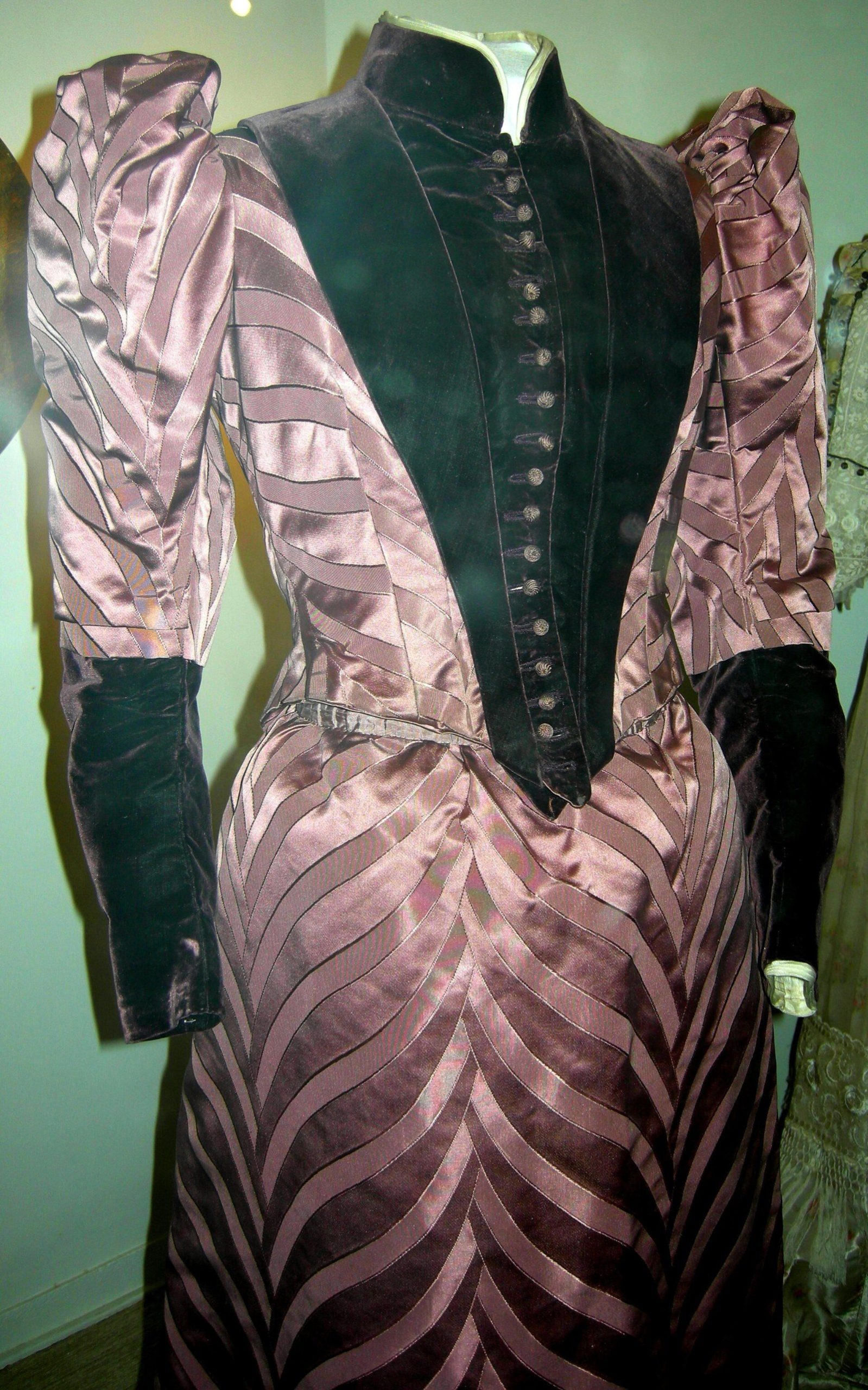
Image: A satin and velvet dress from the 1890s with puffed (leg-of-mutton) sleeves (representative image) — Linda Spashett Storye book, Wikimedia Commons, CC BY 3.0
As we get ready for winter, Spanish sleeves are now among the key pieces we should make room for in our wardrobes. When you stand in front of your wardrobe, you might see a plain, simple dress you rarely wear. If you give that dress’s sleeves a little touch by adding Spanish sleeves, I can guarantee you’ll want to see it on you again.
In fact, this is a piece we won’t struggle much to style. But carried away by the grandeur of the sleeves, we can sometimes fall victim to our own confusion. To avoid pairing it with the wrong pieces, it’s worth sharing a tip or two.
When wearing Spanish sleeves, you should generally go for ankle-length trousers or cigarette cuts. Never go overboard with your choice of shoes; otherwise you may fall out with your Spanish sleeves, get bored of your look and turn your back on these pieces. And since the detail on the sleeves will draw a great deal of attention, you should stay calm when it comes to accessories too — keep to small details. The most important of these is the bag. Our bags should never outdo the scale of the detail on our sleeves, so choose small, playful pieces.
It’s worth mentioning that Spanish sleeves look really chic with pencil skirts. For many women who have to spend their daily lives in pencil skirts, they will be an important piece to work into their outfits.
Finishing such an outfit with a simple, very elegant stiletto will add another point to your chic.
Don’t get so carried away by the Spanish spell that you ever, ever go for Spanish solidarity, because in reality you won’t achieve anything more than a muddled outfit and an eyesore. Never allow Spanish trouser hems under a Spanish sleeve, or a friendship to form between them.
I think we’ll soon be seeing this detail even on coats. When it starts to find a place in many women’s wardrobes, I hope they’ll pay close attention to these tips, so they can show off wonderful looks on our streets with the right outfits…
Which cuts are Spanish sleeves associated with?
In fashion language, “Spanish sleeves” usually refers to voluminous sleeves that widen from the shoulder or below the elbow and finish at the wrist with a ruffle or gathers. Close relatives in this family include bell sleeves and bishop sleeves. Bell sleeves flare out like a bell below the elbow, while bishop sleeves are fuller in the lower part and gathered into a cuff. Whichever you choose, the rule is the same: if the sleeve draws this much attention, the rest of the outfit should stay simple.
You can find a detailed list of sleeve types in the sleeve entry on Wikipedia. For another piece where Spanish sleeves often appear, take a look at our article on shirt dresses.