


The street styles of the fashion capitals are the liveliest mirror showing how each city reflects its own climate, culture and daily rhythm in its clothing. In this article we look one by one at the pieces and colours that stand out on the streets of eight cities.
We can say that street style, unlike what is shown on the runways, is people reflecting their own style in their daily lives by blending it with the trends that inspire them. In this way, the streets, where styles that blend many looks together can be seen, open the doors to a colourful world for us with their originality and naturalness.
As well as expressing themselves verbally, every person creates a new language through their appearance. These days people can express their style in every way that comes to them: psychological factors, political and social factors, fashion trends and so on.
From the cities that should be taken as references for fashion in the world: I will share my picks from the street styles of Paris, London, Milan and New York first and foremost, along with Stockholm, Tokyo, Berlin and Sydney. In this article, with picks for both men and women, we will see the general differences and similarities in how these countries interpret style.
Paris Street Style
- Classic pieces, minimalism, skinny jeans, cigarette trousers, trench coats, jackets, shirts, long-sleeved T-shirts and jumpers are frequently worn pieces.
- The most popular base colours and patterns: black, white, grey, stripes
- Accessories: Large, practical bags, hats, scarves.
- Short, blunt cuts, fringes, layered and natural hair are popular, and sometimes buns and loose hair are
chosen.
London Street Style
Bold and creative outfits are created using statement prints and colours. With originality and creativity in the details, a classic piece becomes much more contemporary, and simple pieces become very eye-catching through colour. In short, with the care it gives to details, London street style comes across as both chic and original. As well as favouring high-street fashion brands, it doesn’t compromise on quality with a street style that follows the trends. In fact, many of the styles I love most and feel closest to come from here.
Milan Street Style
A street style that isn’t afraid to break the rules but follows the trends and manages to be bold in colours and prints is at the forefront. It stays loyal to Italian brands, and masculine and feminine styles are frequently seen together.
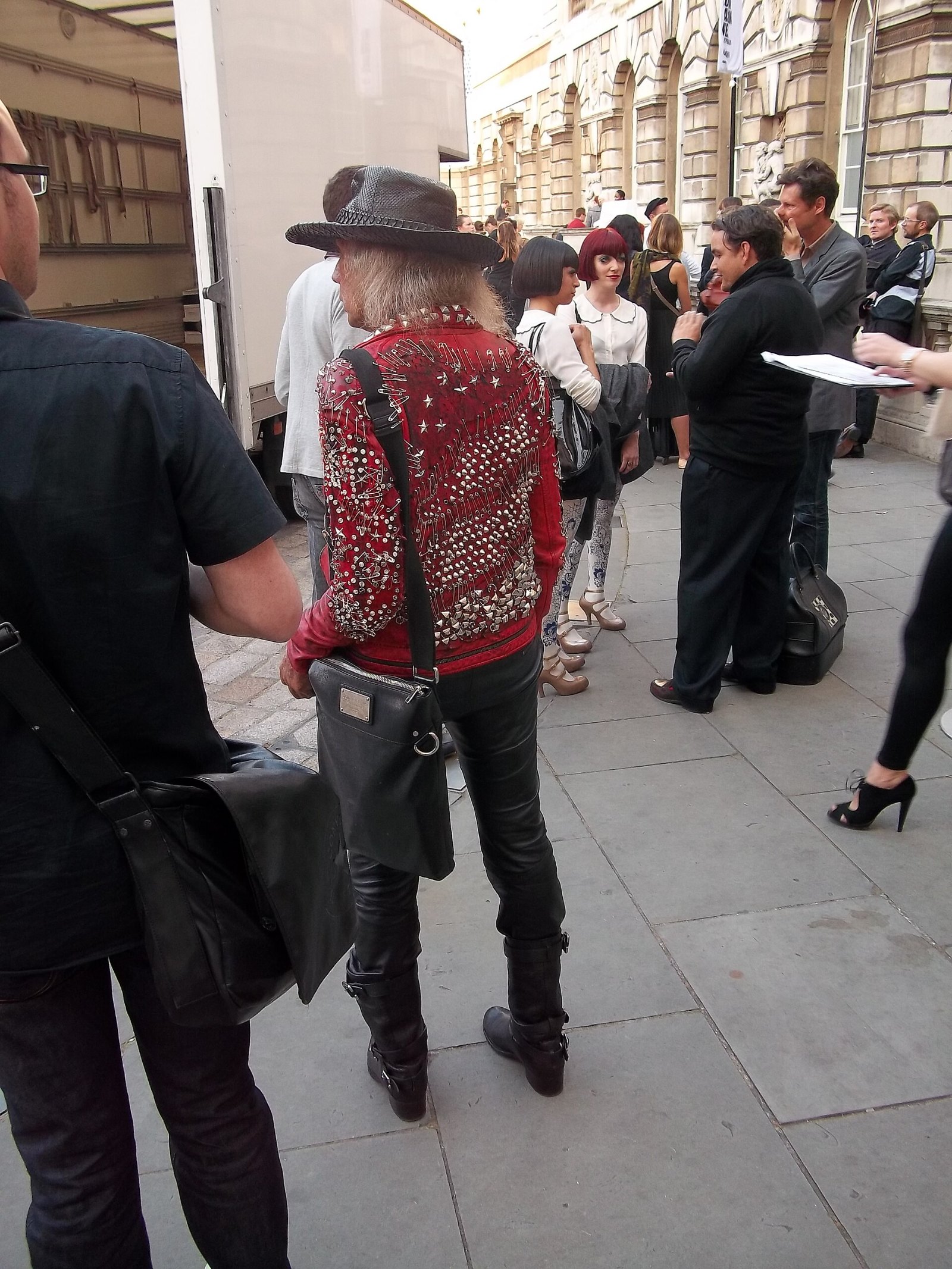
Image: Street style outside London Fashion Week: an attendee in a studded red leather jacket, leather trousers and boots, with a stylish crowd behind (representative image) — TellusFashion, Wikimedia Commons, CC BY 2.0
New York Street Style
Within cosmopolitan, hectic city life, it embraces a street style that makes room for the classic but doesn’t give up on trends either. We see that colour is present but prints are not used much. For example, classic pieces are favoured in the office, sexy pieces at night, and sporty chic in street style.
Stockholm Street Style
Black, navy, grey and geometric shapes lead as the base colours and patterns. Street fashion here is dominated by a minimalist style and the frequent use of quality materials, wool and leather. Light make-up and natural hair are its essentials.
Tokyo Street Style
Exaggerated make-up, coloured hair, chunky shoes and a limitless approach to fashion are what Tokyo street style mostly uses. That is why I think it is the place with the boldest street style in the world. It is a place where there are people who go to any lengths to resemble cartoon characters, where colourful prints are used in every way, and where people of every style can be seen together.
Berlin Street Style
In Berlin street style, avant-garde, creative and vintage pieces are frequently favoured.
Sydney Street Style
Shorts, T-shirts and jeans are among its essential pieces.
Why are the street styles of the fashion capitals so different?
A city’s street style is not determined by fashion trends alone. Climate, public transport or walking habits, the pace of working life and the city’s art scene also shape clothing choices. For example, layering and durable outerwear stand out in cold, rainy cities, while lighter, more relaxed outfits are seen in mild cities. That is why, even though the street styles of the fashion capitals inspire each other, they are never exactly the same.
When creating your own style, borrowing one or two ideas that suit you, rather than copying one of these cities completely, gives a more natural result — Paris’s simple basics, for example, London’s bold prints or Tokyo’s playful layering. If you’d like to read in more detail what street fashion is and how it was born, see our article on street style. For the history of the concept, the street style entry on Wikipedia is a good starting point.