


Fashion Week Asia set out with the ambition of gathering Asian fashion’s scattered scene under one roof. It held its first edition from 20 to 24 October 2026 in Manila, the capital of the Philippines. As reported by The Business of Fashion (BoF), the five-day programme featured runway shows and educational forums. It also included a brand showroom and business meetings with international buyers. The week closed with a gala. Behind the event stands Manila-based media group AGC Power Holdings Corp.
Who, where and why?
The founder and chairman of Fashion Week Asia is Archie Carrasco, who is also chairman and CEO of AGC Power Holdings. Co-founder and co-chair Apples Aberin, for her part, spoke to BoF. She explained that the region has a great wealth of talent, but said that much of this creativity is not visible and cannot be connected to commerce. According to Aberin, the goal is to build a fashion ecosystem that is connected end to end across the region.
Aberin summed up their goals at a press conference ahead of the event, as reported by the Daily Tribune: “We wanted to create something that would go beyond the runway and open doors for Asian designers”. In other words, she said they wanted to build a structure that goes beyond the runway and opens doors for Asian designers. What is more, according to the same report, the team put the five-day event together in about two months.
In her remarks to BoF, Aberin also listed the region’s strengths. She said China remains an important growth market for luxury. She added that Korean culture has become a global phenomenon, and that Japanese craftsmanship continues to define what luxury means. In her view, when countries speak one by one, their voices remain a whisper; when they move together, the voice grows louder.
Who was on the runway?
Palacio de Memoria is a restored mansion dating from the 1930s, and the first three days of shows took place there. The names listed by BoF included Duc Studio and Kilomet 109 from Vietnam. Bajuyo from South Korea, Toton from Indonesia and Plazä from Malaysia were also on the list. So were Sophie Hong from Taiwan, Wisharawish from Thailand and Hong Kong’s Ponder.er, a semi-finalist for the 2024 LVMH Prize. The Philippines, meanwhile, was represented by Rosanna Ocampo, Maligaya, Novèl and Kelvin Morales. MEGA magazine, part of the same group as the organiser, published a list according to which a total of 17 designers took part in the programme.
Local materials, natural dyes, handcraft
The common theme of the week was local materials and techniques little known in the Western fashion industry. Vietnamese designer Thảo Vũ, founder of Kilomet 109, for instance, opened her show with a short film telling the story of the collection’s origins. According to BoF, the label works with eight indigenous communities in Vietnam and uses only natural dyes. Silks dyed black with ebony fruit in particular are dyed and wrung out more than 45 times, then dried in the sun. The process takes two to three months.
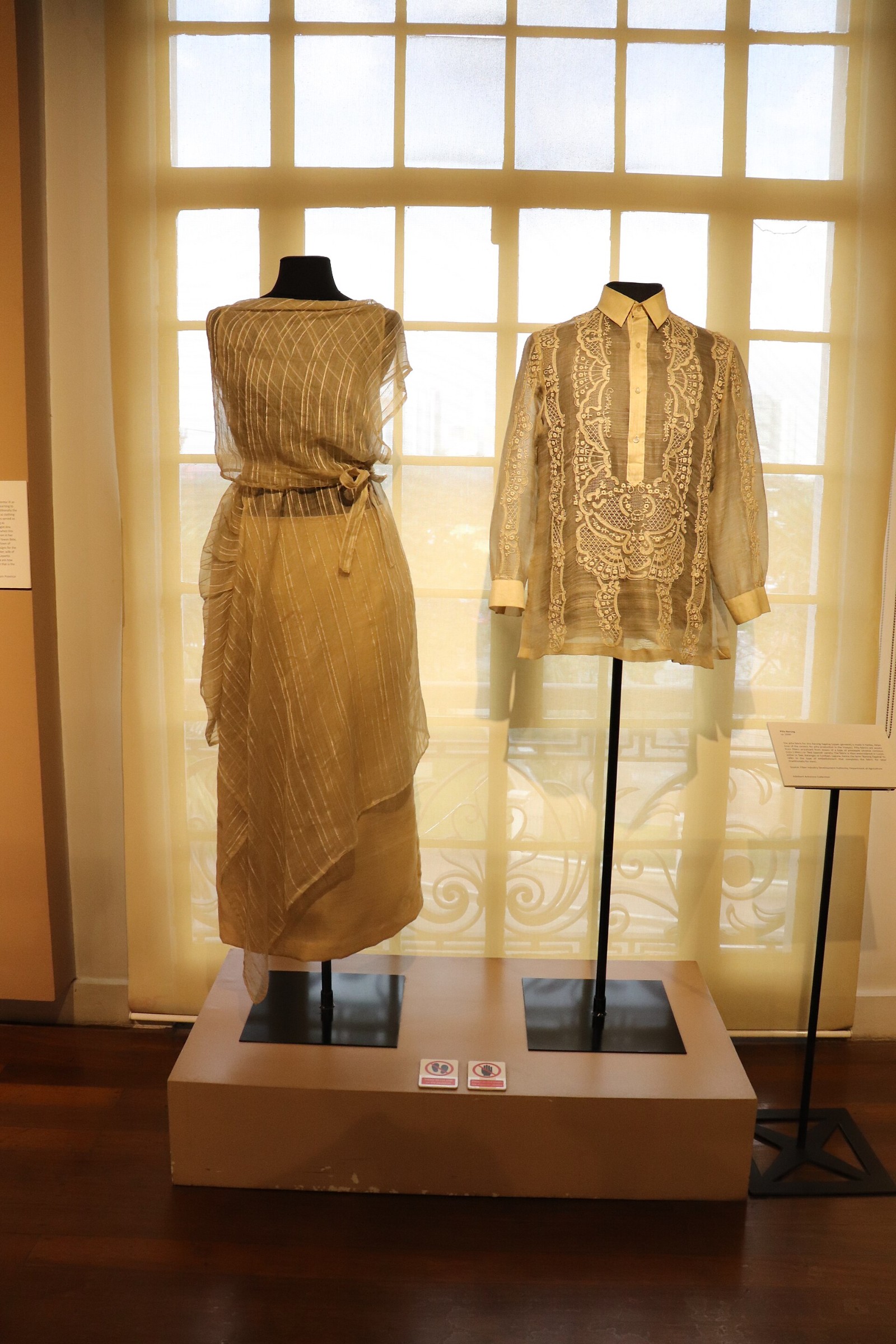
In addition, Anisah Farid, founder of Malaysia’s Plazä, brought Nyonya Peranakan embroidery to striped shirts. The embroidery is made by a third-generation artisan from Penang. Taiwan’s Sophie Hong works with Hong Silk, a fabric she has developed over decades, coloured by plant extracts, river mud and sunlight. The emblem of the Philippines was piña, woven from pineapple leaf fibre. Maligaya designer Roko Arceo used this fabric in mini shorts and puff-sleeved jackets.
From runway to commerce
On Friday, a day-long presentation was held at the Manila Marriott Hotel, giving buyers the chance to examine the collections up close. The Fashion Forward Asia Forum panels took place on the same day. Desmond Lim, editor-in-chief of Vogue Singapore, said an era has now ended, one in which a single designer set the look everyone would follow. He added that today is the age of collaboration. Marina Lyritzi, a wholesale consultant at FWS2, advised brands to have a clear identity and to test demand with small, focused capsule collections. Amal Sultan of L’Adresse Paris Agency, meanwhile, reminded attendees that a beautiful sample alone does not mean business: without production capacity, you cannot fulfil orders.
On the closing night, Filipino designer Rajo Laurel presented a 46-look show titled Archivo, in which he told the story of his 33-year career by reinterpreting archive pieces. The collection also included pieces made from barong tagalog shirts that belonged to his father and grandfather.
Why does it matter?
Seoul, Bangkok and Shanghai already have their own fashion weeks. What sets Fashion Week Asia apart, however, is that it offers a shared showcase and pooled resources beyond national borders. The week’s most concrete message was that creativity must be strengthened by production discipline. That is a lesson that applies directly to Turkish designers who want to reach international buyers too: start small, control production and sharpen your identity. Follow the season’s other gatherings in our Fashion Week Calendar 2026–2027 guide.
Why is Fashion Week Asia worth watching?
For a long time the fashion week map revolved around Paris, Milan, London and New York. New platforms like Fashion Week Asia, by contrast, aim to broaden that map. They gather regional talent in a single showcase and connect it with buyers. The event also places importance on local materials, natural dyes and handcraft, which makes it part of the sustainable fashion debate.
You can also take a look at our story on Lagos Fashion Week SS27, a similar pan-regional showcase. To read the event’s goals in the founders’ own words, see The Business of Fashion’s report.
Sources
- The Business of Fashion — At Fashion Week Asia, Connecting Asian Creativity With Global Opportunity
- Daily Tribune — Report on the Fashion Week Asia press conference (20 October 2026)
- MEGA — Fashion Week Asia 2026 designers
Image: A dress and a barong made of piña fabric on display at the National Museum of the Philippines (representative image) — Irvin Parco Sto. Tomas, Wikimedia Commons, CC BY-SA 4.0
