


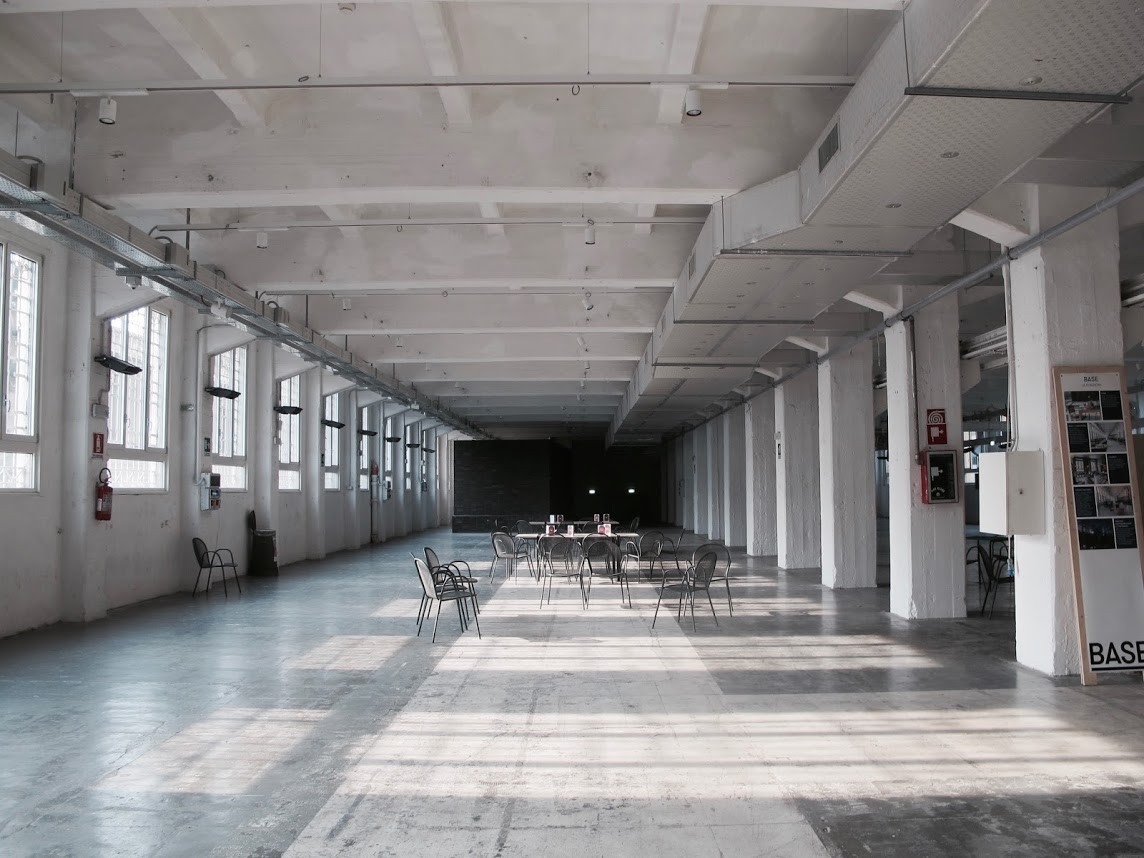
Milan-based design school NABA (Nuova Accademia di Belle Arti) staged its master’s students’ final collections at BASE Milano at the end of October as part of Fashion Graduate Italia 2026. As reported by FashionUnited, drawing on the school’s press release, NABA gathered its presentation under an umbrella initiative called Designers + Makers and placed technical craft right alongside its ties with industry. According to Panorama’s report on the programme, the school’s show took place on Thursday 29 October.
What is Fashion Graduate Italia?
Fashion Graduate Italia is an annual graduation showcase organised by Piattaforma Sistema Formativo Moda ETS, which brings together fashion schools in Italy. According to Milano Finanza, this year’s 12th edition was held under the theme Speak up! and ran until 29 October. A total of 29 schools took part: 19 Italian academies and institutes affiliated with the platform, and 10 international schools participating through the City of Milan’s Talent to talent format. According to the same report, the programme consisted of six shows a day, talks, lectures and digital workshops; 19 exhibition sections were set up across a 3,500-square-metre space, and more than 15,000 registered visitors were expected. The event was held with the support of the Lombardy Region and under the patronage of the Tuscany Region and the City of Milan.
The platform’s president, Matteo Secoli, emphasised the role of young people at the opening: “Il futuro del Made in Italy e la sua necessità di rinnovarsi è in mano ai giovani, la voce è la loro.” In English, he said that the future of Made in Italy and its need to renew itself lie in the hands of young people, and that the voice is theirs.
A show that opened with knitwear
According to FashionUnited, NABA’s participation covered work from its two-year Master of Arts programmes in textile design and fashion design, and consisted of a dedicated show and a three-day exhibition. The show opened with a knitwear section, developed together with Italian yarn maker Lanificio Cariaggi and knitting machine developer Shima Seiki Italia. Next, the collections of graduates of the fashion design programme took to the runway; these collections had previously been assessed by an industry jury during Milan Fashion Week.
Panorama’s report also shows how this preliminary selection worked: NABA’s Designers + Makers – Showroom exhibition, held for the fourth time, entered the official Milan Fashion Week calendar and was set up at the school’s campus on Via Darwin. Alongside the master’s programmes in fashion design and textile design, the exhibition also featured work from the academic master’s programme in sneaker design. The selected collections were then taken to the Fashion Graduate Italia stage.
A bridge between school and factory
On the exhibition side, an installation curated by programme leader Andrea Cammarosano made NABA’s broader research and collaborations visible. According to FashionUnited, the installation featured partnerships with fabric maker Manteco and clothing brand Aspesi, as well as European Union-funded public initiatives.
In the publication’s assessment, embedding manufacturing partnerships in the postgraduate curriculum gives students experience of real production processes and makes it easier for graduates to find their place in the industry. In other words, the school’s message is that education covers not only creative ideas but also how those ideas are brought to life, from yarn to machine and from fabric to mass production.
The view from Türkiye
Türkiye has a long-established industry in knitwear and ready-to-wear production; yet the link between design education and the factory often stays at internship level. The NABA example shows that a show section developed together with a yarn maker and a machine company can feed directly into a student’s portfolio as production experience. The lesson for fashion students and schools is clear: when designing a collection, make who will produce it, and with which materials and machines, part of the project too. Milan’s graduation showcases are also worth following for students who want a close look at the work of European schools; you can find the season’s other key dates in our Fashion Week Calendar 2026–2027 guide.
Sources
- FashionUnited — NABA’s presentation at Fashion Graduate Italia 2026
- Panorama — From Milano Moda Graduate to fashion schools: young designers to watch
- Milano Finanza — Fashion Graduate Italia kicks off with 29 schools
Image: The interior of BASE Milano, a cultural centre in the former Ansaldo factory in Milan’s Tortona district (representative image) — FrussiWMI, Wikimedia Commons, CC BY-SA 4.0
