


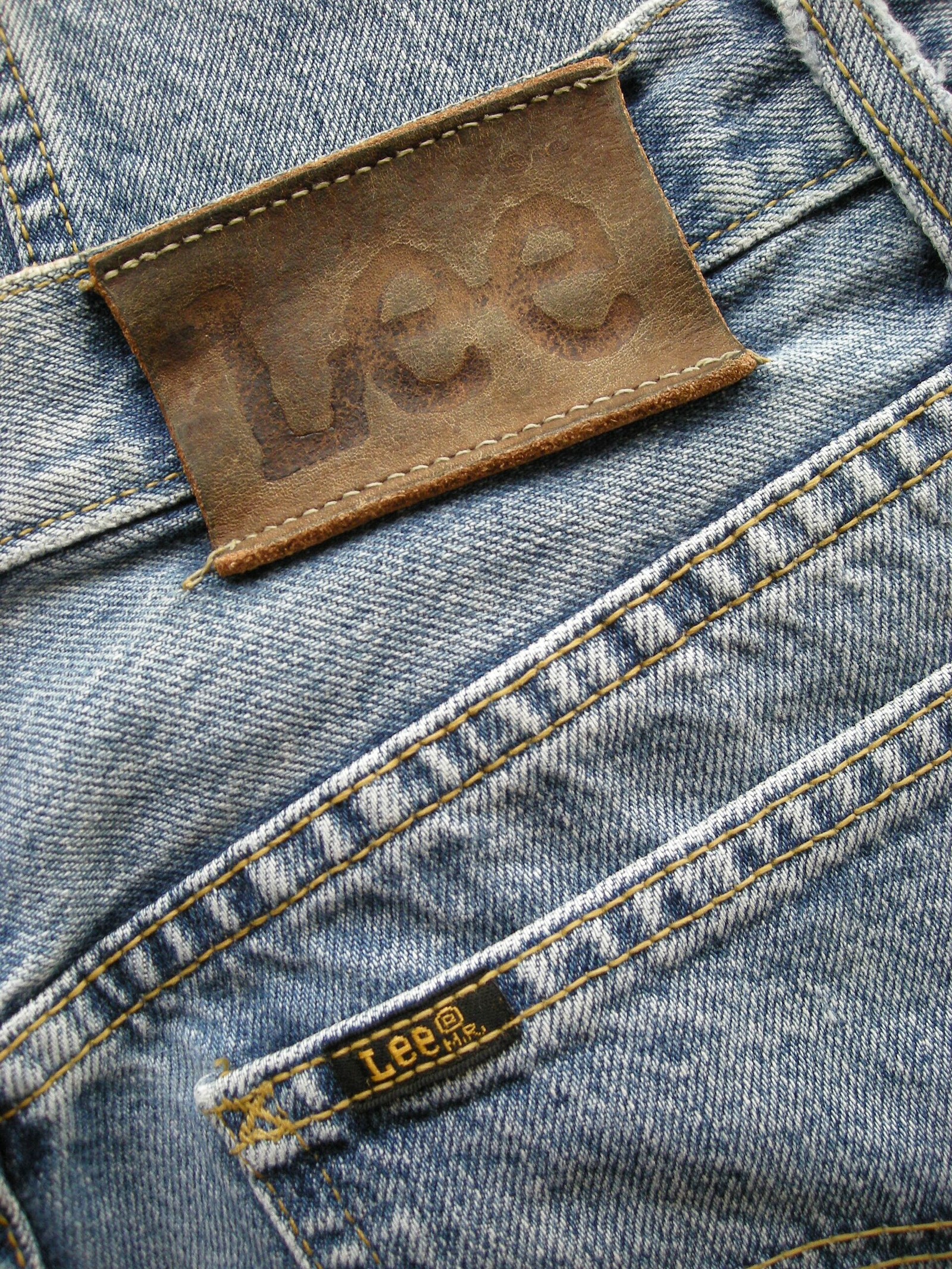
Lee, one of the most storied names in denim, has officially changed hands. US-based brand development company Authentic Brands Group announced that it completed the acquisition of the Lee brand’s intellectual property from Kontoor Brands, which also owns Wrangler, on 3 November 2026. The parties signed the definitive agreement in May; in the six months since, Authentic has also set up the structure that will hand the brand’s worldwide apparel operations over to regional partners.
As a result, the brand, which has existed since 1889, is sold today in 73 countries and has reported annual retail sales of around 1.5 billion dollars, will no longer be part of a company that runs its own production and distribution network, and will instead continue under a licensing-based model.
From Lee: the 91-B and classic workwear, reimagined with F/CE
The numbers behind the deal
According to trade publications, the total value of the deal could reach up to 1 billion dollars. In other words, part of the sale price depends on how much the brand grows in the hands of its new owner.
Around 40 per cent of Lee’s revenue comes from outside the US and Canada. This figure also shows why the brand’s international recognition matters to its new owner. On Kontoor’s side, Morgan Stanley acted as financial adviser and Foley & Lardner as legal counsel during the sale.
Four regions, four partners
Authentic’s business model is based on holding brands’ intellectual property while leaving product development, manufacturing and sales to licensing partners. The same approach is being followed for Lee. The main apparel partners announced by the company are:
- One Jeanswear Group: US and Canada
- Experience Group: Europe
- HiMaxx: Mainland China, Hong Kong and Macau
- Union Group: Mexico
These partners will handle product development, sourcing and distribution in their own markets. Authentic also says it plans to extend Lee into activewear, workwear and lifestyle products through new licensing agreements. In other words, a brand that for many years has been synonymous with jeans and jackets may appear across a much wider range of products in the period ahead.
From Lee: the Lee x Indian Motorcycle collection
Jamie Salter, founder and executive chairman of Authentic, said the company was thrilled to welcome the brand and described Lee as follows: “Lee has the heritage, recognition and consumer loyalty we look for in a brand.” He underlined that Lee has the deep-rooted history, recognition and consumer loyalty they look for in a brand.
Kontoor’s new focus: Wrangler and Helly Hansen
With the sale, two brands remain in Kontoor Brands’ portfolio: Wrangler and Helly Hansen. Kontoor’s CEO and chairman Scott Baxter said that following the transaction, the company now has a more focused, growth-oriented portfolio aimed at stronger returns for shareholders: “We now have a more focused, growth-oriented portfolio positioned to deliver stronger returns for our shareholders.” Baxter also thanked the Lee team for their contributions.
Lee and Wrangler were long two American denim brands under the same roof. Now the two names are in the hands of different companies and will compete with different business models.
Authentic’s growing brand collection
Lee is the newest name to join Authentic’s rapidly expanding portfolio of recent years. The company’s stable includes brands such as Reebok, Champion, Ted Baker, Lucky Brand, Vince, Eddie Bauer and Billabong. In 2025 Authentic acquired Dockers from Levi Strauss & Co., and in early 2026 it took a majority stake in Guess’s intellectual property. With Lee, the company has significantly increased its weight in denim and casualwear.
Why it matters
The sale of Lee is the latest example of a trend spreading through the fashion industry: heritage brands are leaving companies that run their own factories and stores and moving to licensing groups that separate brand ownership from production. This model preserves the brand’s name and archive while leaving it to regional partners to decide who makes the products, where and how. Supporters argue that this structure takes brands into new categories faster, while critics point out that it can be harder to preserve design integrity and a consistent quality line.
Seen from Turkey, the subject is worth following closely as well. Turkey is one of the key suppliers of denim fabric and garments to European brands. The fact that Lee’s apparel business in Europe will now be run by Experience Group could lead to changes in the brand’s production and sourcing choices in the region; however, no details have been announced on this so far. We will continue to follow how new-season collections and any new licensing agreements take shape throughout the fashion week calendar.
Sources
- FashionUnited: Completion of the acquisition and regional licensing partners, 3 November 2026
- Retail Dive: Lee’s plan to expand into new categories
- Textile World: Kontoor Brands’ sale announcement
- TheIndustry.fashion: The value and structure of the deal
Image: The leather patch on the back waistband and the pocket tab of a pair of Lee jeans — Jamiecat, Wikimedia Commons, CC BY 2.0
