


The fake modelling agency trap often begins with a compliment and quickly turns into a request for money. That is why this guide goes through, one by one, the warning signs that help you recognise that moment.
For example, a message arrives: “We’ve seen your profile, and you’re exactly the face we’re looking for for our new campaign.” Exciting, isn’t it? But a few messages later, a “registration fee”, a “portfolio package” or the cost of “mandatory training” comes up. Fake agency scams targeting aspiring models and actors have been in the news for years, both in Turkey and around the world. In this guide we explain the 12 warning signs that help you recognise a fake agency. We also explain how to verify a real agency, and we cover the routes you can take if you fall victim to a scam.
Let’s say it up front: applying to Fresh Models Magazin as a model is completely free. Anyone who asks you for money, an IBAN or a payment receipt on behalf of our magazine is a fraud.
How do fake agencies work? Examples from real news stories
Although scam methods have changed form over the years, their essence remains the same: the scammers sell a dream and ask for money up front in return. A few examples that have made the news:
- “Actor card” and costume costs (2019). According to a report in Gazete Vatan dated 15 November 2019, there were fake casting agencies in Istanbul. These agencies claimed to be looking for actors for TV series and adverts, and collected between roughly 200 and 4,000 TL from applicants. Their stated reasons were an actor card, a photo shoot and costumes. The report stressed that they particularly targeted young people aged 16–25, and that most of those who lost small amounts did not file complaints.
- Auditions in hotels, threats with promissory notes (2023). In a report published by DHA in January 2023, an industry representative spoke out. According to the representative, fake agencies held meetings in places such as hotels and restaurants to inspire confidence. They also asked for fees to “move up to the next level”. The representative added that they made candidates who did not pay sign promissory notes and then took them to court.
- A “mandatory training” fee (2024). In July 2024, a Yeni Şafak reporter applied online to a casting agency. The agency then asked the reporter for 1,200 TL for a one-hour “mandatory acting training” session. The report also features a victim who made a similar payment, after which the agency never contacted them again.
- A fake website and pre-registration fee. According to an Ensonhaber report headlined “6 people arrested for actor agency fraud in 3 provinces, centred on Istanbul”, the suspects set up a fake casting agency website and took pre-registration fees from people who wanted to act in TV series and films.
- An example from abroad (USA, 2013). According to CBS News, the managers of a modelling agency in New York appeared in court on fraud charges. They were alleged to have collected a total of 250,000 dollars from at least 50 families, convincing the families that their children would work as models and taking money for photo shoots and contracts.
12 warning signs of a fake modelling agency
1. A request for an application, registration or membership fee
This is the most common and clearest sign. Stop if someone asks for money just to “open your file” or “register you in the system”, especially when there is no work yet. A real agency’s income is the commission it takes from the jobs the model does. In other words, the agency doesn’t earn unless you do.
2. A requirement for a paid portfolio shoot “with our photographer”
Before accepting you, the agency asks for a paid shoot and expects you to have it done in its own studio or with a photographer it has a deal with. This is a classic trap. Serious agencies make their decision at the first stage based on natural, make-up-free photos you take with your phone (digitals).
3. Mandatory, paid training or courses
Be especially careful of those who ask for money saying, “First you need to take our runway or camera training.” Training is not bad in itself. But tying the promise of work to signing up for a course turns training into a sales tool.
4. “Small” costs such as cards, costumes or registration files
Scammers often don’t ask for large sums. An “actor card”, “costume” or “file” fee of a few hundred lira is chosen as an amount people won’t think worth complaining about. A small amount does not mean the request is legitimate.
5. Auditions not linked to a real project, brand or client
Be suspicious if they say “a big series” or “a famous brand” but won’t give the name, the production company or the shoot date. A legitimate casting call shares project information, at least in broad terms.
6. Meetings in hotel rooms, cafés or places with no clear address
Fake agencies particularly use busy, showy venues to inspire confidence. Be careful of those without a permanent office address too. In short, stay away from “agencies” that invite you to a hotel room or a private home.
7. Promissory notes, debt or threats of enforcement
Making you sign a promissory note, saying “we’ll take you to court if you don’t pay”, forcing you into credit card instalments or pressuring you with “you’ll pay a penalty if you leave the contract” are serious warning signs. Don’t sign any document at the first meeting.
8. Rushing and pressure
Phrases like “If you decide today we’ll hold your place” or “only two spots left” aim to take away your time to think. A real opportunity, by contrast, lets you take the contract home, read it and consult someone close to you.
9. An “agency” that exists only on social media
A DM from Instagram or TikTok is not, on its own, proof of fraud. But if the following signs come together, the risk is very high: the account is newly created; its followers and likes look fake; it has no website, company name or address; the message comes from a personal WhatsApp number. Also watch out for accounts imitating the names of famous agencies and brands.
10. You can’t verify the company’s details
Pull back if the agency won’t share its trade name, tax number, full address and landline contact details. Pull back too if the information it shares doesn’t match official records. An invoice or receipt is not a guarantee on its own either. A forensic IT expert quoted in the Gazete Vatan report noted that some scammers issue legal invoices, with the aim of giving the impression of a serious business.
11. It doesn’t show the models it represents or the work it has done
A real agency shows which models it represents. It also shows which brands, magazines and shows it works with. Be cautious if they answer every question with “we can’t say for confidentiality reasons”. Be cautious too if you can’t verify the work they show you.
12. Requests for unnecessary personal data or intimate photos
At first contact, do not agree to requests for a copy of your ID, bank card details, passwords, or photos involving underwear or nudity. Requests like these open the door both to financial fraud and to blackmail. Your photos and identity details are your personal data. You have the right to know who will process them, why and for how long.
So can agencies never charge? The legal framework
Note: This section is for general information only and is not legal advice.
In Turkey, private employment agencies that act as intermediaries for jobs and workers operate under a permit, as required by the Turkish Employment Agency Law No. 4904. The law, as a rule, prohibits these agencies from taking fees or benefits from job seekers, under whatever name. The law provides for the service fee to be collected from the employer.
However, the Private Employment Agencies Regulation of 11 October 2016 makes an exception to this rule. The exception covers those in the professional groups of professional athletes, head coaches, coaches, mannequins, photo models and artists. Senior executives are also covered. In short:
- An agency with an İŞKUR (Turkish Employment Agency) permit has the right to charge a model an intermediary fee within the conditions set out in the regulation.
- This exception does not make it legitimate for someone without a permit to collect money up front under the name of “registration”, “portfolio”, “card” or “training”.
- Some agencies structure themselves as management or representation companies. The permit question varies with each structure according to the specific case. If in doubt, consult the İŞKUR provincial directorate or a lawyer.
If an agency charges a model a fee, there should be clear answers. What is the fee for? When is it paid? Is it included in a written contract? Do they refund it if no work comes?
How do you verify a real agency?
- Check the company registration: Ask for the agency’s full trade name and search for it in the Trade Registry Gazette (Ticaret Sicili Gazetesi) records. The date of incorporation, address and officers should match what they told you.
- Verify the tax certificate: If they show you a tax certificate, check that it is genuine. You can enter the tax ID number and approval code on the certificate in the electronic services of the Revenue Administration (Gelir İdaresi Başkanlığı). A certificate whose approval code doesn’t match is not valid.
- Ask for the İŞKUR permit: Under the regulation, licensed private employment agencies must display their permit where everyone can see it at the office. They must also use the logo specified by İŞKUR in their advertisements, posters and letterheads. If you can’t be sure, ask the relevant İŞKUR provincial directorate.
- Visit the office: The agency should have a real, fixed address and an office open to visits. Take someone close to you on your first visit.
- Look at its models and work: Verify the campaigns, magazine shoots and shows featuring the models the agency represents. Check independent sources (the brand’s own account, the magazine’s own website). If possible, talk to a model who has worked with the agency.
- Take the contract home: The term, commission rate, exclusivity, image usage rights and termination conditions should be clearly set out in writing. Read it before signing, and show it to a lawyer if necessary.
- Protect your personal data: Share your identity and bank details only with a company you have verified, only after a signed contract and only as much as is necessary.
If you’ve been scammed: complaint and application routes
Even if the amount you lost is small, it is important to file a complaint. It lets you seek your own rights and makes it harder for the same people to victimise others. Gather all the evidence before applying. Screenshots of messages and emails, account names and links, payment receipts, IBAN details, advertisement images and documents they made you sign are all useful.
The Chief Public Prosecutor’s Office and law enforcement
If you suspect fraud, file a complaint with the Chief Public Prosecutor’s Office (Cumhuriyet Başsavcılığı). You can also apply orally or in writing to the nearest police or gendarmerie unit. If the incident took place online or via social media, also apply to the police’s cybercrime units. To get your money back, there is also the option of filing a compensation or refund lawsuit in the civil courts. Seek support from a lawyer in these processes.
CİMER
The Presidential Communication Centre (CİMER) is an official channel. It accepts complaints, reports and freedom of information requests concerning public institutions. Apply to bring an agency you believe is operating without a permit to the attention of the relevant institutions. However, it does not replace a criminal complaint. For fraud, use the prosecutor’s office route as well.
İŞKUR provincial directorate
If an agency is acting as a job intermediary without a permit, report it to the relevant İŞKUR provincial directorate. Also report agencies that charge job seekers fees outside the regulation. Law No. 4904 provides for administrative sanctions for such violations.
Consumer Arbitration Committee
If you bought a service from a company (for example, paid training or a photo shoot package), apply to the Consumer Arbitration Committee (Tüketici Hakem Heyeti). The dispute must arise from a consumer transaction. According to the Ministry of Trade’s communiqué, the monetary limit for applications to arbitration committees for 2026 is 186,000 TL. Disputes above this amount are heard by the consumer court. You apply via e-Devlet (the government e-services portal). In incidents amounting to fraud, the criminal complaint route is also open.
Complaint platforms
Platforms such as Şikayetvar are not an official application route. However, it is useful to read what has been written about an agency before applying. Share your own experience too, to warn other candidates. When sharing, take care not to include personal data or unsupported accusations.
Fresh Models Magazin’s promise
- We do not ask you for a fee at any stage of the model application, assessment or magazine feature process.
- We only accept applications through the official application form on our website.
- We only accept applications from candidates aged 18 or over.
- We explain clearly how we process your personal data on our KVKK Privacy Notice page.
If someone contacts you using our magazine’s name and asks for money, let us know and do not pay. If you don’t know where to begin your modelling journey, take a look at our What It Takes to Become a Model guide.
Frequently Asked Questions
Do modelling agencies charge a registration fee?
Serious agencies earn their income from the commission they take on the jobs a model does. Asking for money up front under the name of “registration”, “file” or “membership” when there is no work yet is the most typical sign of a fake agency.
Does an agency ask for money for a portfolio shoot?
If an agency asks you to have a paid portfolio shot by its own photographer before accepting you, that is a serious warning sign. For a first application, natural photos taken with your phone (digitals) are enough.
How can I tell if an agency is real?
Search for its trade name in the Trade Registry Gazette. Verify its tax certificate with the approval code through the GİB (Revenue Administration). Ask for its İŞKUR permit, if it has one. Visit the office. Check the work of the models it represents through independent sources.
Do modelling agencies need an İŞKUR permit?
Under Law No. 4904, private employment agencies acting as job placement intermediaries must obtain a permit from İŞKUR. For companies operating as management or representation firms, the situation depends on the specific case. If you’re not sure, consult the İŞKUR provincial directorate or a lawyer.
I lost money to a fake agency — what should I do?
Keep all messages, receipts and documents. File a complaint with the Chief Public Prosecutor’s Office or law enforcement. For disputes that qualify as consumer transactions, apply to the Consumer Arbitration Committee for amounts up to 186,000 TL for 2026. Seek support from a lawyer to get your money back.
Does Fresh Models Magazin charge a fee to apply?
No. Applying to Fresh Models Magazin as a model is completely free. If someone asks you for money on behalf of our magazine, do not pay and let us know.
First steps if you suspect a fake modelling agency
If you’re not sure whether an offer is genuine, don’t rush. Research the agency’s full address, company details and the brands it works with. Don’t go to the meeting alone. Read the contract with someone you trust before signing. If the agency asks for payment, request the reason in writing. When you see signs of a fake modelling agency, keeping your correspondence will make things easier in any complaint process.
We explained ways to go to castings prepared in our article what to know when going to a casting. For general information on how modelling agencies work, see the modelling agency entry on Wikipedia.
Sources
- Gazete Vatan, report on fake casting agencies collecting money for actor cards and costumes (15.11.2019): https://www.gazetevatan.com/yasam/aman-dikkat-dizi-oyuncusu-aradiklarini-soyleyip-dolandiriyorlar-1285138
- DHA, report on the methods of fake casting agencies (26.01.2023): https://www.dha.com.tr/gundem/dolandiricilik-vakalarinda-oyunculuk-ajanslari-basi-cekiyor-2196137
- Gazete Vatan, publication of the same DHA report (27.01.2023): https://www.gazetevatan.com/yasam/son-yillarin-en-organize-dolandiriciligi-oyuncu-olmak-isteyenlerin-hayatlari-boyle-karariyor-2079891
- Yeni Şafak, reporter’s experience applying to a casting agency (24.07.2024): https://www.yenisafak.com/gundem/parayi-ver-oyuncu-ol-4634674
- Ensonhaber, “6 people arrested for actor agency fraud in 3 provinces, centred on Istanbul”: https://www.ensonhaber.com/3-sayfa/oyuncu-ajansi-dolandiriciligi-yapan-6-sahis-tutuklandi
- CBS News New York, Long Island modelling agency case (18.09.2013): https://www.cbsnews.com/newyork/news/prosecutors-l-i-modeling-agency-scammed-dozens-of-families-out-of-250000/
- Turkish Employment Agency Law No. 4904, articles on private employment agencies: https://www.alomaliye.com/2003/07/05/4904-sayili-turkiye-is-kurumu-kanununun-ozel-istihdam-burolari-ile-ilgili-maddeleri/
- Private Employment Agencies Regulation (Official Gazette 11.10.2016, issue 29854): https://www.alomaliye.com/2016/10/11/ozel-istihdam-burolari-yonetmeligi/
- Tax certificate lookup and verification: https://www.alomaliye.com/2022/08/08/vergi-levhasi-sorgulama/
- Complaint and litigation routes in casting agency fraud (Mıhcı Hukuk): https://mihci.av.tr/cast-ajansi-dolandiriciligi
- Where to report cybercrime (Kadim Hukuk): https://kadimhukuk.com.tr/makale/bilisim-suclari-nereye-sikayet-edilir/
- Consumer arbitration committee 2026 monetary limit of 186,000 TL (Hukuki Haber): https://www.hukukihaber.net/tuketici-hakem-heyeti-gorev-siniri-186-bin-lira-oldu/amp
- Applying to the consumer arbitration committee via e-Devlet (Cumhuriyet): https://www.cumhuriyet.com.tr/turkiye/tuketici-hakem-heyetine-e-devlet-ten-nasil-basvurulur-gerekli-belgeler-ve-2026-siniri-2526748
- CİMER official website: https://www.cimer.gov.tr/
- Trade Registry Gazette: https://www.ticaretsicil.gov.tr/
- Şikayetvar: https://www.sikayetvar.com/
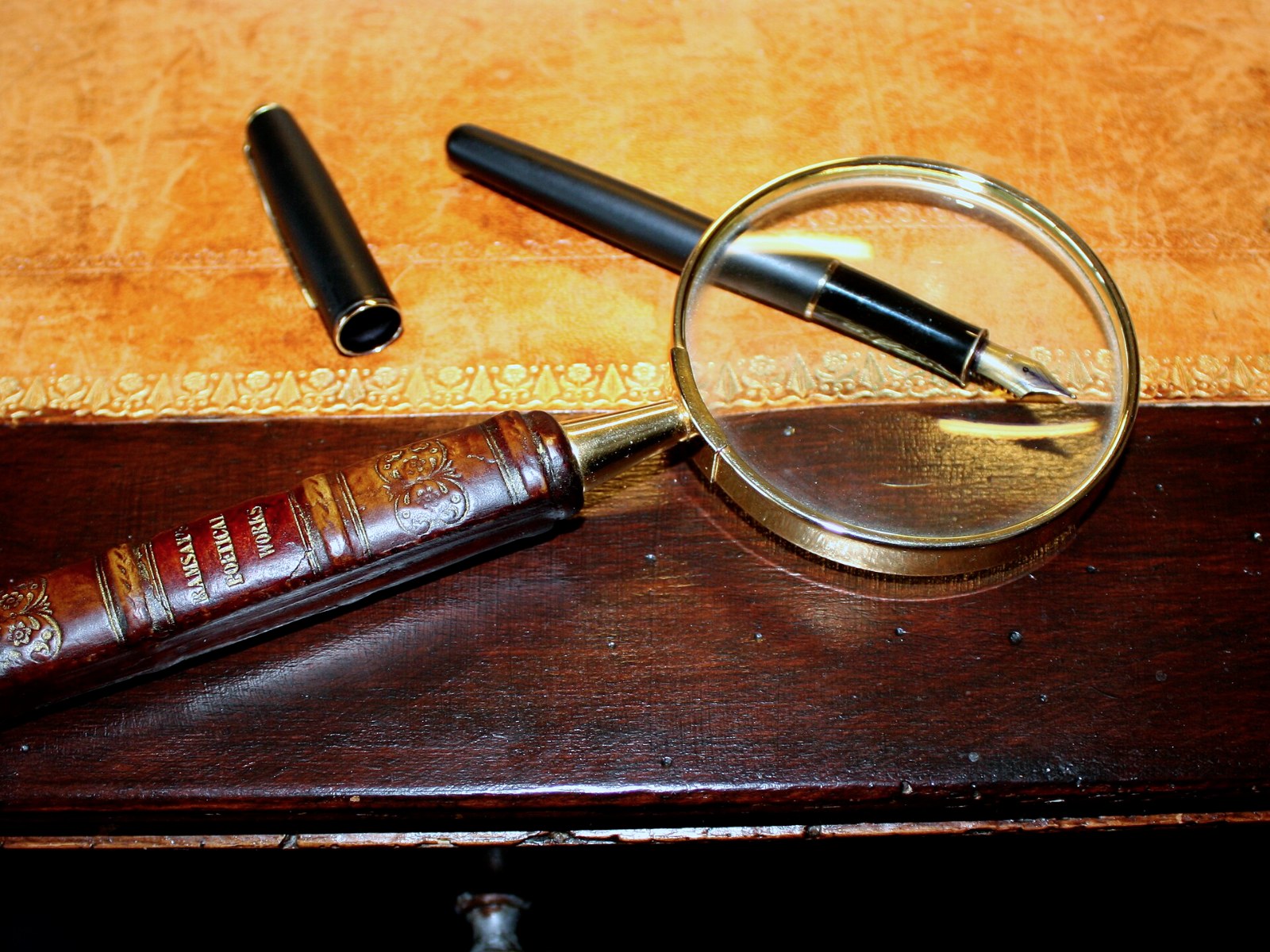
Image: A magnifying glass and fountain pen on an antique table (representative image) — Stéphane Magnenat, Wikimedia Commons, CC BY-SA 4.0