


Update (8 November 2026): The grand prize of GPHG 2026, the Aiguille d’Or, went to independent watchmaker Rexhep Rexhepi’s Chronograph Flyback. That the master took the night’s top honour with his first flyback chronograph was the clearest sign of the stage opened up to independent watchmakers this year. The full list of winners is below.
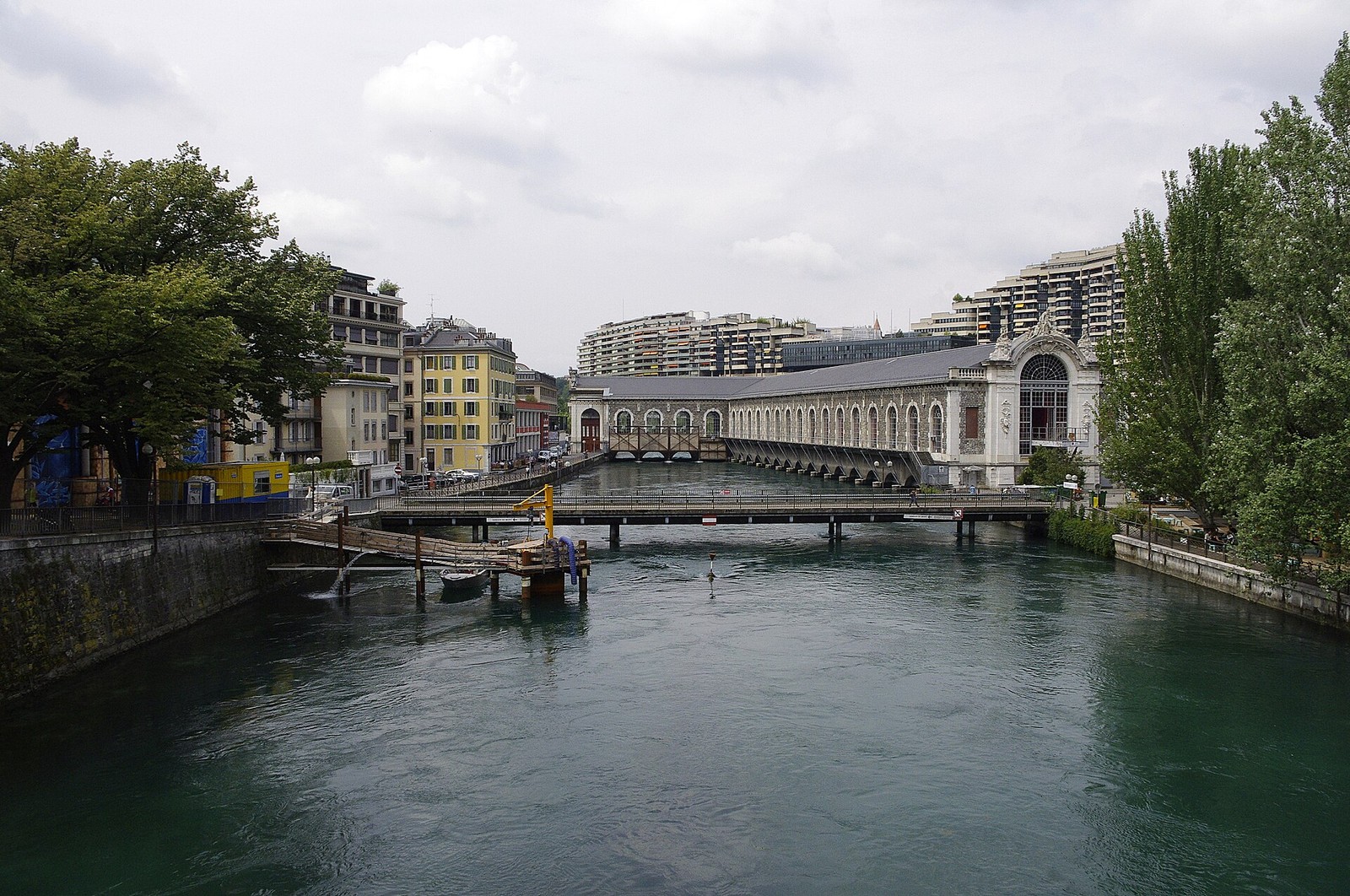
The Grand Prix d’Horlogerie de Genève (GPHG), known as the “Oscars” of the watch world, crowned its winners for the 26th time. The ceremony took place on the evening of Saturday 7 November 2026 in Geneva, at the historic Bâtiment des Forces Motrices in the middle of the Rhône. Yet the real talking point this year was not only the winning watches but a sweeping change to the competition itself: the long-standing split between “men’s watches” and “women’s watches” was abolished and replaced with new categories that look at what a watch actually does.
From 320 entries to 84 nominees
According to the published nominee list, 320 watches from 194 brands entered the first round. After the first round of voting, this pool was narrowed to 84 nominees. The nominees were divided evenly across 14 categories, with six watches competing in each. By the end of the night, 19 prizes had been awarded, including category and special prizes, plus a Special Jury Prize. The most coveted of all was the competition’s grand prize, the Aiguille d’Or.
The list covered a broad spectrum, from time-only watches to technical categories such as chronographs and tourbillons, from calendar and astronomy displays to sports watches, and from artistic crafts to mechanical table and wall clocks. Petite Aiguille and Challenge are the sections dedicated to relatively accessibly priced watches; in Challenge the ceiling is 4,500 Swiss francs, while in Petite Aiguille the range is between 4,500 and 10,000 francs.
The winners
- Aiguille d’Or (Grand Prize): Rexhep Rexhepi, Chronograph Flyback
- Time-Only Watch: Chopard, L.U.C 1860
- Essential: Daniel Roth, Extra Plat Rose Gold Skeleton
- Complication: Cleguer, Inspiration One
- Mechanical Exception: Blancpain, Grande Double Sonnerie
- Gemset: Piaget, Swinging Pebble
- Tourbillon: Ferdinand Berthoud, Chronomètre FB 2TV
- Chronograph: Parmigiani Fleurier, Tonda PF Chronographe Mystérieux
- Calendar and Astronomy: Audemars Piguet, 150 Heritage
- Sports Watch: Grand Seiko, Spring Drive U.F.A. Ushio 300 Diver
- Jewellery: Chopard, Mystery Nut
- Artistic Crafts: Louis Vuitton, Tambour Taiko Arty Automata
- Petite Aiguille: Otsuka Lotec, No.8
- Challenge: SpaceOne, SpaceOne X Baltic – Seconde Majeure
- Mechanical Table/Wall Clock: La Vallée, Cosmo
- Audacity Prize: Konstantin Chaykin, ThinKing Mystery
- Horological Revelation: Dominique Renaud, Pulse60 Titanium Black
- Chronometry: Ferdinand Berthoud, Naissance d’une Montre 3
- Iconic Watch: Audemars Piguet, Royal Oak “Jumbo” Extra-thin Selfwinding Flying Tourbillon Chronograph RD#5 “150th Anniversary”
- Special Jury Prize: Patek Philippe, “Watch Art” Grand Exhibition
One of the night’s notable details was that Chopard, Ferdinand Berthoud and Audemars Piguet each left the ceremony with two prizes. For jewellery lovers, the highlight is that the Gemset prize, awarded for the first time, went to Piaget. Patek Philippe, which did not submit any watches to the competition, was nonetheless honoured with the Special Jury Prize for its globe-trotting Watch Art exhibitions.
Function instead of gender
At the heart of the change were two new categories. Women’s and men’s watches, previously judged separately, competed together this year in the Essential and Complication categories. The aim is for a watch to be measured by its design and movement rather than by the wrist it is meant for. As reported by Euronews, the organisers explained that the change was made to “enhance its representativeness and align with new market dynamics” — in other words, to make the competition more representative and to keep pace with the new balance of the market.
The innovation of most interest to jewellery lovers was the Gemset category. This section brought together watches set with up to six carats of precious stones. The Jewellery category, dedicated to jewellery watches, kept its place on the list. Among its six nominees were a Serpenti model from Bvlgari continuing the house’s snake motif, a diamond-focused watch from Chopard and a toucan-inspired design from Tiffany & Co.; Piaget, Bovet and Franck Muller completed the list. In the end, the prize went to Chopard’s Mystery Nut.
Other rule changes
- One-off pieces, meaning unique pieces with no counterpart, are now accepted only in the Jewellery and Mechanical Clock categories.
- The Iconic Watch prize can now consider watches that meet the criteria even if their brand has not entered them.
- Two-thirds of the result was decided by the 24-member jury and one-third by the vote of the GPHG Academy. The jury was chaired by Wei Koh.
Who didn’t compete?
Every year, one of the GPHG’s talking points is the big names that stay away. According to Euronews, Rolex has never entered the competition. This year a number of major houses, led by Patek Philippe and Cartier and ranging from Vacheron Constantin to Richard Mille, also did not submit watches. Last year’s Aiguille d’Or winner, Breguet, was barred by the rules from competing in 2026. This opened a wider stage for independent watchmakers and mid-sized brands, and the grand prize going to an independent master, Rexhep Rexhepi, confirmed it. Another example was independent watchmaker Naoya Hida & Co. making the same shortlist as the big maisons in the time-only watches category.
World tour and exhibition
The nominated watches went on tour ahead of the ceremony. The tour began in Mumbai at the end of September, marking the first time GPHG nominees were exhibited in India. After a stop in Bangkok in October, the watches have been welcoming visitors at Geneva’s Musée d’Art et d’Histoire since 29 October, and the exhibition runs until 15 November. The final stop is London, where the winning watches will be shown from 18 to 23 November. The ceremony was broadcast live on Euronews Culture.
Why it matters
A watch is one of fashion’s most enduring accessories and the finishing touch to a look, from the red carpet to the runway. The GPHG’s decision to drop the gender divide shows that an approach spreading ever more widely through the fashion world has reached watchmaking too: the conversation is now less about whom a piece is made for and more about how it is made. In an era when men wear gem-set watches and women wear large-cased complicated watches, the old categories were already under strain.
The view from Turkey
For Turkey, with its deep-rooted tradition of gold and jewellery craftsmanship, the Gemset category is particularly interesting. The spotlight on gem-setting as a distinct specialism within watchmaking shows the line between jewellery and watches growing thinner. For Turkish jewellery designers and collectors, the GPHG lists are a good way to track where international taste is heading. Those curious about the season’s fashion calendar can also take a look at our Fashion Week Calendar 2026–2027 guide.
Sources
- GPHG official website: 2026 prize list
- Revolution: The full list of 2026 GPHG winners (8 November 2026)
- Monochrome: Rexhep Rexhepi’s Aiguille d’Or win and all the prizes
- Euronews: GPHG 2026, the Oscars of watchmaking, scraps gender categories (26 October 2026)
- The Hour Glass: GPHG 2026 84 nominees
- The Hour Markers: GPHG 2026 nominations (1 September 2026)
Image: The Bâtiment des Forces Motrices on the Rhône in Geneva, the venue of the GPHG ceremony — Traumrune, Wikimedia Commons, CC BY 3.0
