


Lectra Observatory, the research arm of French fashion technology company Lectra, has published a new white paper on the place of artificial intelligence in the fashion industry. Introduced in an announcement from Paris dated 22 October 2026, the report, titled The Intelligence Edge Is Here, discusses how “agentic” AI systems in particular are affecting different links in the chain, from design to production and from marketing to traceability. According to Textile World, this is the fifth report the Observatory has devoted to the fashion industry; earlier studies focused on topics such as product development challenges and sustainable fashion.
What does agentic AI mean?
The report’s starting point is the observation that the period in which fashion companies were experimenting with generative AI is behind us. According to the summary on Lectra’s report page, the new generation of systems does more than respond to a single prompt; it can coordinate and carry out multi-step workflows across different software. In this model, teams set the goal, AI agents analyse information, make connections between systems and move the work forward, while direction and the final decision remain with people. The report sums up this approach as a “human-led, AI-assisted” way of working, and notes that the right balance will vary according to each company’s brand structure, risk appetite and priorities.
According to the introductory article on FashionUnited, one of the report’s core arguments is that AI’s real value lies less in efficiency than in changing how organisations work. Moving faster, breaking down walls between departments and making better-informed decisions are cited as the headlines of this change.
The five areas the report highlights
Drawing on the views of fashion executives, AI specialists and industry representatives, the report identifies five areas in which AI is already delivering results:
- Product creation: Spotting emerging trends early, streamlining the design process and shortening development cycles.
- Production: Improving material and production planning, increasing visibility across the supply chain, reducing waste and responding faster to shifts in demand.
- Marketing: Gaining a deeper understanding of consumer behaviour and campaign performance, and opening up advanced analytics to wider teams.
- Traceability: Supporting compliance and sourcing decisions in the face of growing sustainability expectations and regulations.
- Collaboration: Speeding up decisions by bringing people, processes and information together in a single trusted source of data.
The decisive factor: data
According to the report, even the most advanced model is only as useful as the quality of the data it is fed. It stresses that market, product, supply chain and production data must be connected and accurate, and notes that AI readiness is as much a data issue as a technology one. Maria Modroño, Lectra’s head of marketing and communications, summed up the point: “The companies that gain a competitive edge from AI will not necessarily be those with access to the most advanced models.” According to Modroño, those that will stand out are companies able to combine AI with reliable data, deep industry knowledge and connected workflows.
Contributors to the report include Ilaria Del Gaudio of KIKO Milano, Caterina Ticchio of C.P. Company, Nicolas Griffioen, former head of AI at G-Star RAW, Ben Hanson, editor-in-chief of The Interline, and executives from Lectra and Lectra company Launchmetrics.
Context: the company behind the report is also a vendor
There is one detail to bear in mind when reading the report: Lectra is one of the providers of these technologies. In September the company launched Apogy, a cloud-based platform it says brings agentic AI to fashion product development. According to the announcement on FashionUnited, the platform brings AI agents, product data and design processes together in a single digital environment, and its first users include Irish sportswear brand O’Neills and Oniverse, the group that owns Calzedonia and Intimissimi. The report’s findings should therefore be seen as the perspective of an industry player rather than an independent academic study; it should also be noted that the report does not share concrete statistics or measured results.
Why it matters
For a long time, the AI debate in fashion revolved around image generation and trend forecasting. The Lectra report suggests the focus may be shifting to behind-the-scenes processes, from pattern-making to production planning and from supplier communication to traceability. This shift matters most to supply chains where the time between design and production determines competitiveness.
Seen from Turkey, the subject is directly relevant. For Turkish apparel companies manufacturing for European brands, speed, flexibility and traceability are already critical issues; tightening sustainability rules in the European Union are also making data tracking mandatory. The connected data set-up promised by agentic AI will closely concern not only brands but their suppliers as well. For other developments in the fashion world, take a look at our 2026–2027 fashion week calendar.
Sources
- FashionUnited: Lectra’s agentic AI report
- Textile World: Lectra Observatory’s new report (26 October 2026)
- Lectra: Report page
- FashionUnited: Announcement of Lectra’s Apogy platform
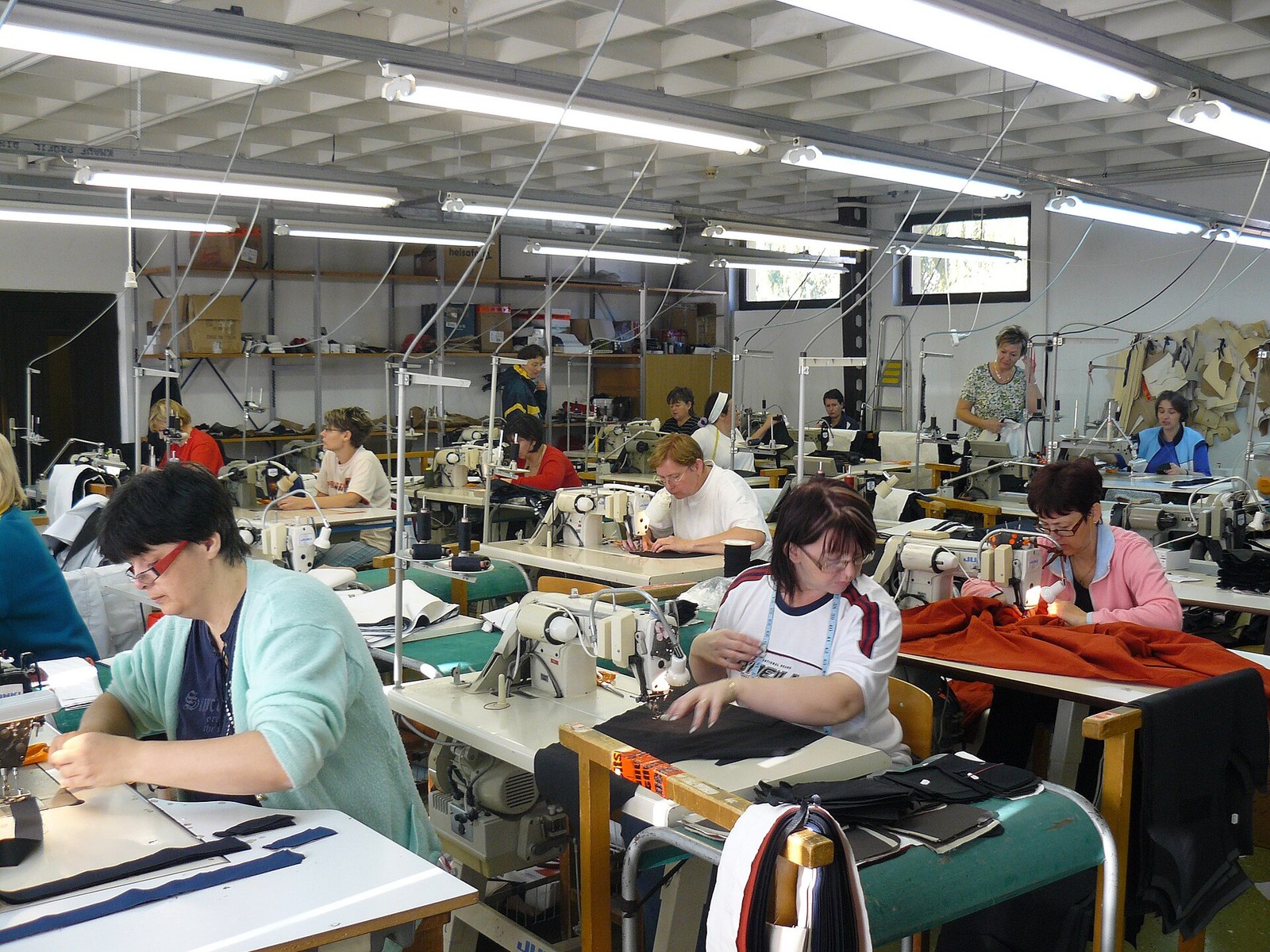
Image: The sewing department of a garment workshop in Hungary (representative image) — Elkágyé, Wikimedia Commons, CC BY-SA 4.0
