


Afrik Fashion Week, one of Côte d’Ivoire’s longest-running fashion events, held its 18th edition in Abidjan from 11 to 15 November 2026. This year’s theme was Matières et Créativité (Materials and Creativity). The highlight of the week was the “Designers’ Night” on the evening of Saturday 14 November at the Sofitel Abidjan Hôtel Ivoire: according to the Ivorian news site Linfodrome, 16 fashion houses took to the runway that night. The event, which returned after a one-year break, is led by its commissioner general Isabelle Anoh, who has kept it going for more than 20 years.
According to the programme announced on 28 October by AIP, Côte d’Ivoire’s official news agency, the edition set out to promote Africa’s textile raw materials and craft skills as a lever for creativity, entrepreneurship and international visibility. Hand-woven cotton cloth (pagne tissé), raffia, bark-based tapa, kente and lustrous bazin were among the materials named in the programme.
See Afrik Fashion Week's Designers' Night film on Instagram
Materials before the runway
This year Afrik Fashion Week did not present itself as just a night of shows. On 11 November, an opening conference on how African brands can be supported in fashion and creativity was held at the Noom Hôtel in Abidjan’s Plateau district; according to Linfodrome, the talks focused on financing, visibility and commercial growth. On 12 November, participants visited the Montézo community craft centre in the La Mé region and the workshops of the textile company Uniwax to see the stages of fabric production first-hand. The “Fashion Networking” meeting on 13 November brought young designers together with experienced names from the industry.
See Isabelle Anoh's speech at the opening conference on Instagram
On the night of the show, Anoh told the designers that the runway belonged to them and also set out the edition’s direction: according to Linfodrome, Anoh said African fashion must no longer simply dazzle, but must be structured, financed and conquer international markets. The commissioner summed up the 18 editions as a journey of more than 20 years of passion, daring and perseverance.
Sixteen shows, two bold openers
According to Linfodrome’s report on the night, Uniwax opened the evening. The brand’s collection Tempo was a tribute to the music and dances of Côte d’Ivoire: genres such as zouglou, coupé-décalé, gbégbé, zaouli and Afro-jazz each became a print. Darling, which followed, turned hair-braiding material into fashion material; braiding hair, weaves and crochet dreads were transformed into garments. The brand, which has been producing in Côte d’Ivoire since 1987, will celebrate its 40th year in 2027.
In the second part of the programme, three different worlds took the stage: designer Dieudonné Senato, the National Recycling Collective led by Melaine Koffi (with MINADA CRÉATION, BETTY O and Berrah Kla’anh) and Gaël Bienvenu, winner of the 2024 Designers’ Competition. The night continued with shows by Maria Rose, AH’FR, Kissy Wears, Fredy’N, Yohou, Cha Kane, Maison Kantys, Or Noir Crochet, Ibrahim Fernandez, Lewis Mardochée, Judicael Wahouie, Mudi, Franck Niamien and Wafa. From raffia to wax prints, from mikado silk to jute cloth, each house interpreted heritage in its own language. The line-up also included the Lagos-based Mudi Africa; according to Linfodrome, the 33-year-old brand has stores in Abuja, Accra, Nairobi and Johannesburg.
According to an official notice issued by the organisers on 14 November, the show took place, with the date and time unchanged, in the ice rink hall (Patinoire) of the Sofitel Abidjan Hôtel Ivoire instead of the hotel esplanade that had originally been planned.
Why it matters
The shared question for African fashion weeks in recent years is how creativity can be turned into a sustainable industry. Events in Lagos, Accra, Johannesburg and Abidjan now aim not only to discover new names but also to connect designers with fabric producers, sources of finance and buyers. Afrik Fashion Week starting its programme this year at a weaving workshop and devoting its conference to supporting brands is a clear example of this direction.
The view from Türkiye
For Türkiye’s textile and apparel industry, West Africa is a market that is talked about more and more. The idea that stood out in Abidjan, putting local fabric and craft skills at the centre of brand-building, is also a familiar path for Turkish designers who work with Anatolia’s weaving and handicraft heritage. Africa’s fashion weeks turning into business meetings could open new doors for joint production and fabric partnerships.
If you want to follow the dates of fashion weeks around the world, take a look at our 2026–2027 fashion week calendar.
Sources
- Linfodrome — report on the 18th edition in Abidjan (15.11.2026)
- AIP (Agence Ivoirienne de Presse) — edition programme (28.10.2026)
- Afrik Fashion Week — official notice (Instagram, 14.11.2026)
- Afrik Fashion Week — official programme (Instagram)
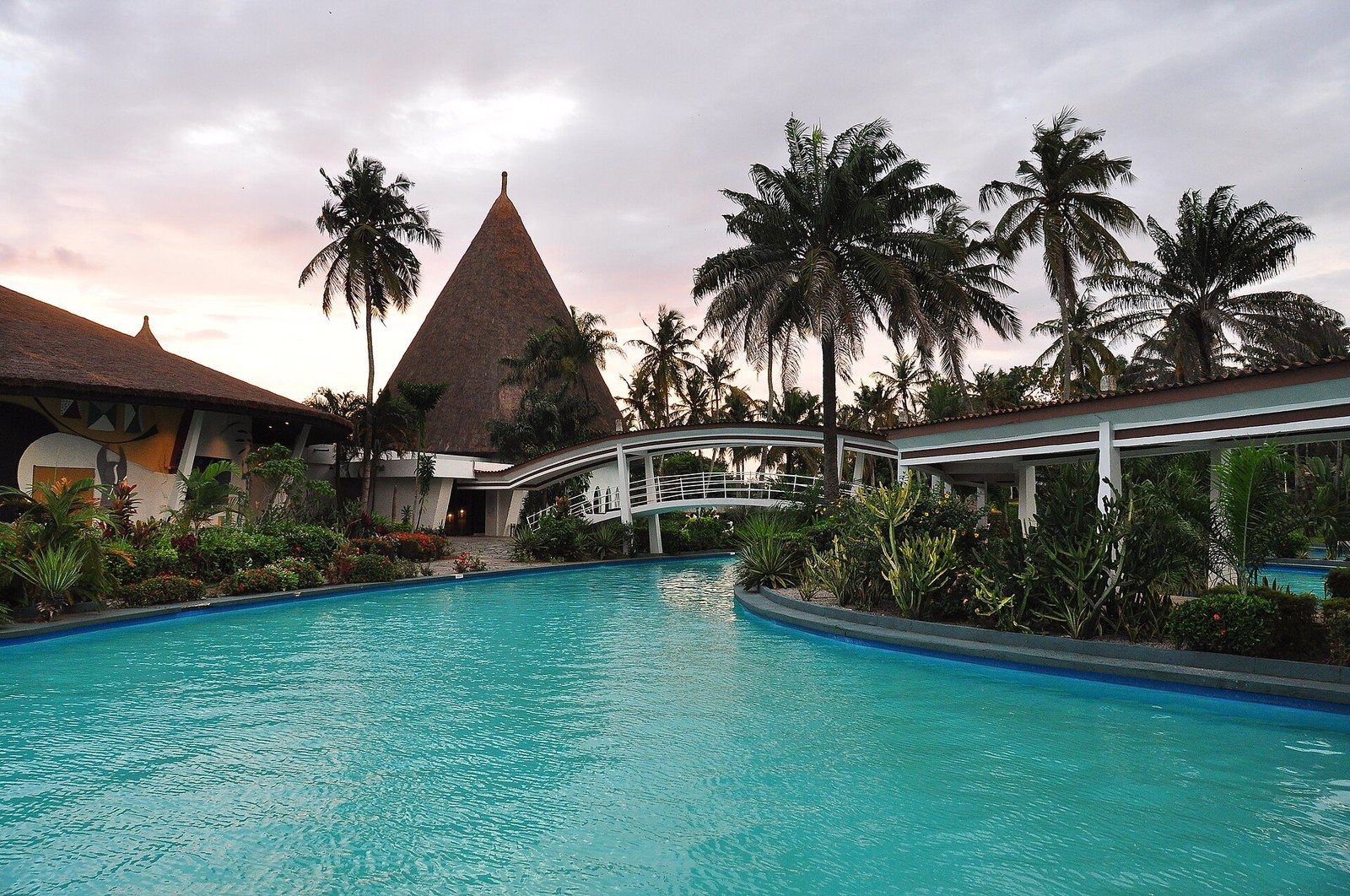
Image: The pool and gardens of the Hôtel Ivoire in Abidjan, the hotel that hosted the Designers’ Night (representative image) — abdallahh, Wikimedia Commons, CC BY 2.0

The Instagram posts in this article are official posts by the accounts concerned and are published using Instagram’s embed tool; all image rights belong to their owners.