


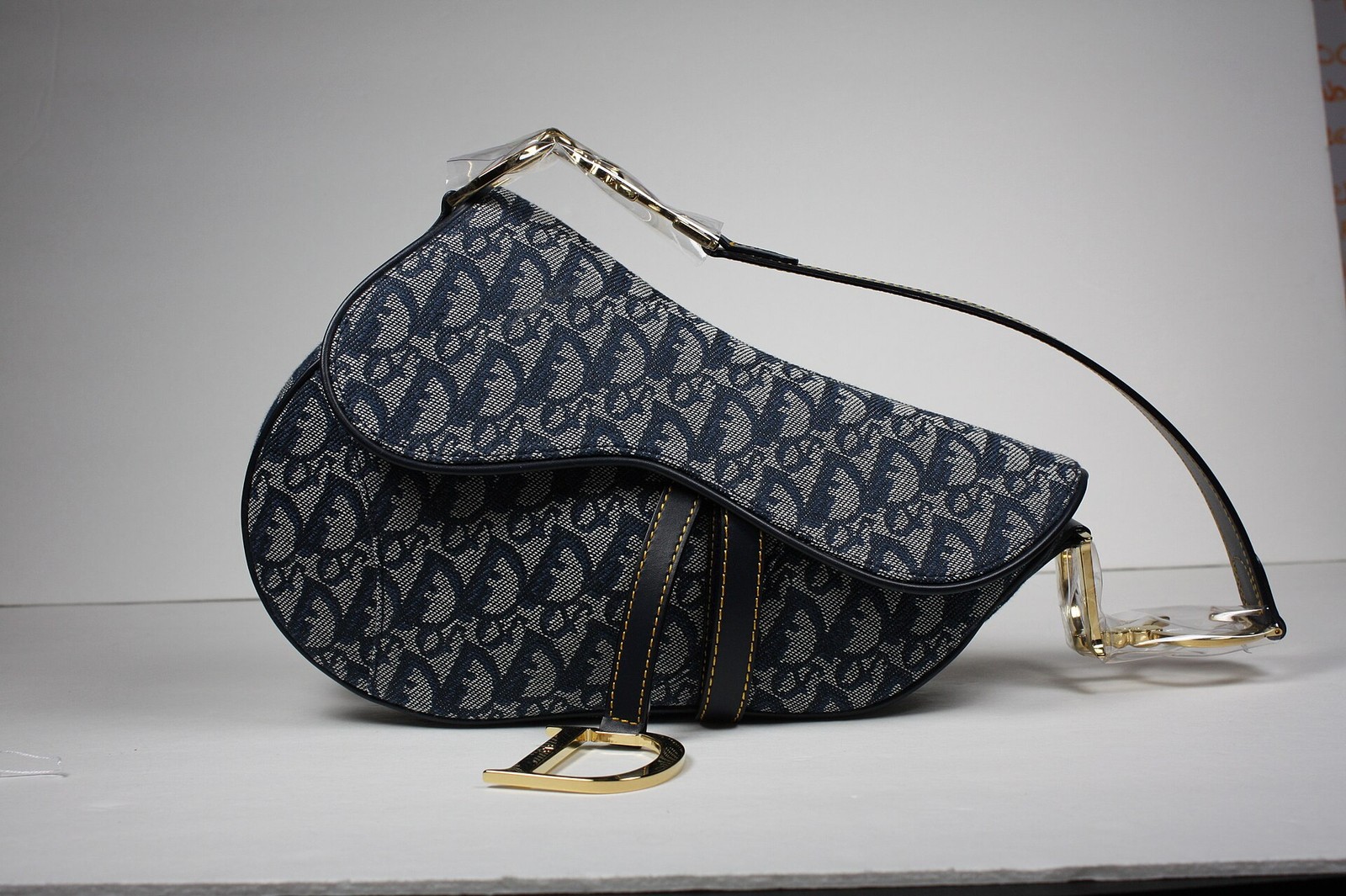
Netflix’s new series The Body, which premiered in the second week of November, is getting as much attention for its bags as for its story. Created by Quinn Shephard and Gina Gammell and set in 2004, the series features 2000s “It bag” classics such as the Balenciaga City, the Louis Vuitton Speedy, the Fendi Spy and the Dior Saddle in almost every scene. This week Vogue also highlighted the show’s bag collection on its official Instagram account.
According to an interview Dazed published on 19 November, the costumes are the work of London-born, Los Angeles-based costume designer Mirren Gordon-Crozier, whose earlier credits include Margo’s Got Money Troubles and Where the Crawdads Sing. An interview Marie Claire published on 11 November describes the show as a teen drama built from Shephard’s mood boards and made for the “Tumblr era” generation.
Bins of bags and a secondhand hunt
Gordon-Crozier described the bag archive on set to Dazed: “We had bins of designer bags, maybe 50 to 100!” Because the budget was tight, most bags were not bought new. The team chose to find worn secondhand pieces and restore them: Balenciaga bags were found on platforms such as Poshmark for around 500 dollars, and ager and dyer Tamara Rigby-Funke painted some of them red or pink and refurbished them. The designer brought some of her own bags, and some crew members lent bags they had actually carried in those years.
According to Dazed, at least four different Balenciaga City bags appear on screen. From Louis Vuitton there are the Speedy and pieces from the Takashi Murakami collaboration, and from Fendi the Spy. The beaded Fendi Baguette styles the team wanted did not make it into the show because they were over budget.
The characters’ bags
Dance captain Anya (Kristina Bogic) carries a Dior Cherry Blossom Saddle from the John Galliano era. Gordon-Crozier says it was Shephard’s dream bag and that finding one for under 5,000 dollars seemed almost impossible. Elise (Sara Boustany) carries a khaki Dior Street Chic Columbus bag, which the designer names as her favourite piece. Anya’s look draws on early-2000s runways and paparazzi photos of Sienna Miller and Mischa Barton, while Elise’s draws on Devon Aoki and Milla Jovovich.
The spirit of the period carries beyond the bags: most of the clothes were found on eBay, Depop and in Toronto’s vintage stores. Denim and street labels of the era such as True Religion, 7 For All Mankind, Diesel and Von Dutch, along with velour tracksuits, rhinestone accessories and blue eyeshadow, come from mood boards featuring Paris Hilton, Britney Spears, Chloë Sevigny and Missy Elliott. The designer says the find she is proudest of is the Gucci and Dior eyewear.
Why it matters
The Balenciaga City first appeared in 2001 and the Dior Saddle in the spring-summer 2000 season; both models have returned to stores in recent years through the brands’ own reissues. By showing these pieces in secondhand, restored form rather than as new products, The Body shows that Y2K nostalgia is now strong not only on the runway but also on screen and in the resale market.
FMM’s view: The show’s bag selection is a good example of how a small budget can fuel creativity. As the secondhand luxury bag market grows in Turkey too, it would not be surprising if interest in 2000s classics stays alive for a while through shows like this. Before investing in a model you saw on screen, do not forget to check its certificate of authenticity.
If you want to step into the fashion world, take a look at our guide to what it takes to become a model.
Sources
- Dazed, Isobel Van Dyke: Inside the satanic, Y2K glamour of The Body (19 November 2026)
- Marie Claire, Sadie Bell: interview with The Body creator Quinn Shephard (11 November 2026)
- Vogue, official Instagram post (November 2026)
Image: a blue monogram Dior Saddle bag designed by John Galliano (representative image; not from the series) — Queen Bee, Wikimedia Commons, CC BY 2.0
