


Turkish fashion designer Hatice Gökçe has designed the costumes for Elizabeth Costello, a stage adaptation of J. M. Coetzee’s novel. Adapted and directed by Saim Güveloğlu, the play premiered at Paribu Art on 4 and 5 November 2026 as part of the 30th Istanbul Theatre Festival. A co-production of Bahçe Galata and Dolkun Production, the play continues on the same stage throughout the season after its festival performances.
On 11 November, Gökçe shared a post on her Instagram account about the joy of working with the team. In the post the designer wrote that the team had been living in the world of Elizabeth Costello for a while and added that seeing all of this work on stage made her very happy.
See Hatice Gökçe's Elizabeth Costello post on Instagram
Coetzee’s writer heroine on stage
The play is based on Nobel laureate J. M. Coetzee’s book Elizabeth Costello: Eight Lessons. The book was published in Turkish by Can Yayınları under the title Romancının Romanı; the text was translated into Turkish by E. Efe Çakmak, and Nagihan Gürkan served as dramaturg. Made up of a prologue, four scenes and an epilogue, the production combines these sections like a collage.
Tansu Biçer plays the writer Elizabeth Costello at the centre of the story. Tülin Özen, Defne Koldaş and Sezer Arıçay bring different characters to life throughout the play. The play explores questions such as humanity’s relationship with the world and with other living beings, the responsibility of the intellectual and the tension between art and ethics. The use of animals for human interests and speciesism are also among its themes.
Costumes that carry the character’s world
According to Tiyatro Dergisi’s report on the production, Gökçe designed the costumes specifically for the play. The article notes that the costumes not only define how the characters look on stage but are also in harmony with Elizabeth Costello’s values in life and her view of the world. Mürekkep Haber also wrote that the costume design is one of the key elements shaping how the characters appear on stage.
Alongside the costumes, the creative team includes other notable names. Jorela Karriqi created the scenography. Afterwork (Ceren Çaylak, Yasin Arıbuğa) handled visual design and video, and Berkay Özideş was responsible for music and sound design. Sezen Yeniçeri Can worked on hair and make-up, and Dilek Sağır served as assistant director. Creative producer Yağmur Dolkun is reported to have played an important role in bringing the creative team together.
First reviews
The play received positive reviews after its first festival performances. Writing in Cumhuriyet, Gülçin Gülan found the production very successful in terms of direction and acting, singling out Tansu Biçer’s performance in particular. The review also stressed that the strong text and the translation were among the foundations of the staging.
Why it matters
Fashion designers creating costumes for theatre, opera and dance is a long-standing tradition around the world. A designer who has built her own language on the runway dressing characters in a literary adaptation is one of the current examples of this tradition in Istanbul. In costume design, clothing needs to convey an emotion or an idea, which strengthens the bond between fashion and the performing arts. Stage work by Turkish designers is a good reason for fashion readers to add theatre to their calendars as well. The play can be seen at Paribu Art throughout the season.
If you are hoping to step into the fashion world, you can also take a look at our guide to what it takes to become a model.
Sources
- Tiyatro Dergisi — Elizabeth Costello brought to the stage for the first time at the 30th Istanbul Theatre Festival
- Mürekkep Haber — Elizabeth Costello to be staged for the first time at the Istanbul Theatre Festival
- Cumhuriyet — Tansu Biçer was very successful in Elizabeth Costello
- Hatice Gökçe — official Instagram post
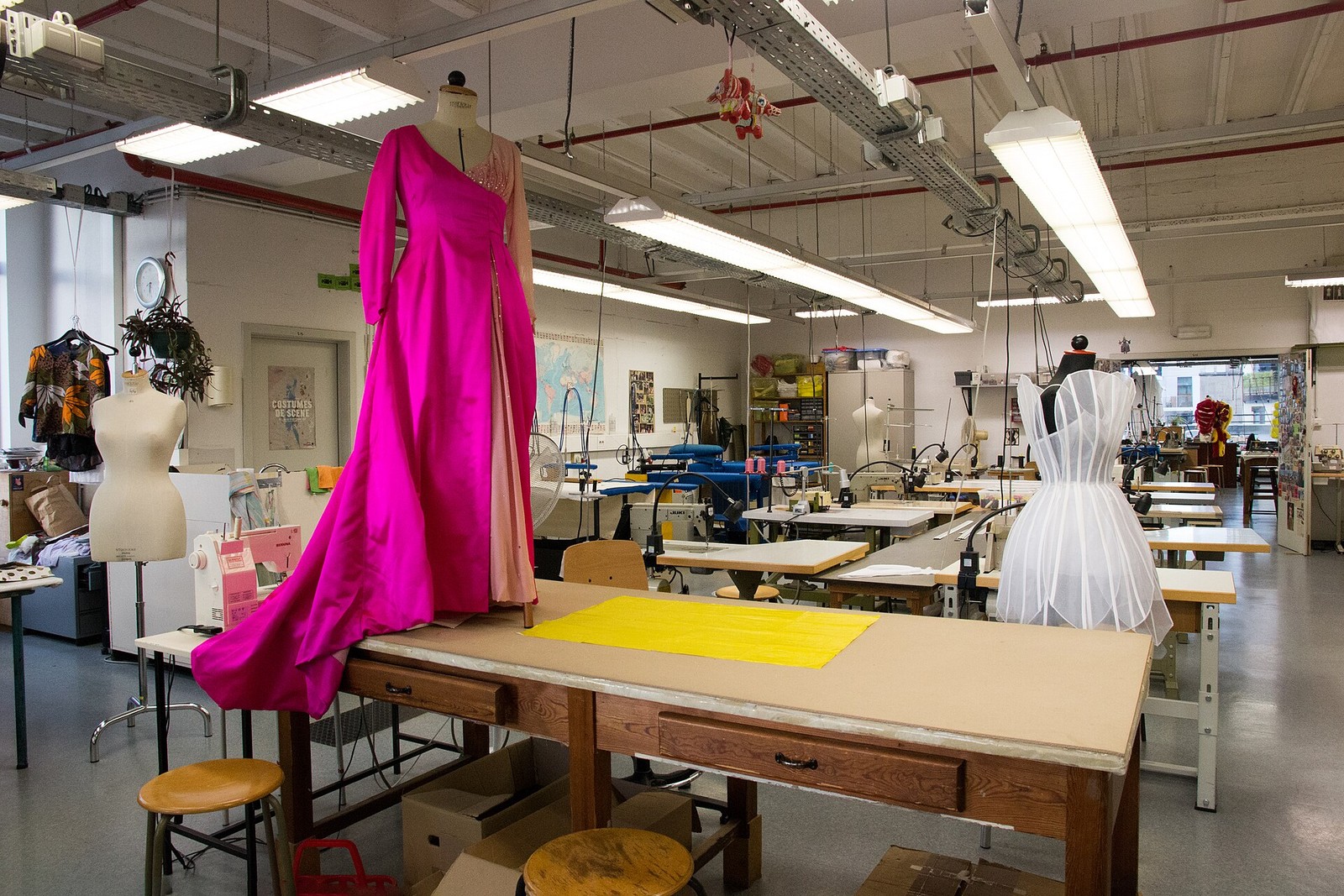
Image: The costume workshop of La Monnaie opera house in Brussels (representative image) — Sally V, Wikimedia Commons, CC BY 4.0

The Instagram posts in this article are official posts by the respective accounts and are published using Instagram’s embed tool; all image rights belong to their owners.