


Designer Serhiy Bizov, one of the best-known names of Ukraine’s post-independence fashion generation, has died at the age of 57. The news was announced on 10 November 2026 on the official Instagram account of Ukrainian Fashion Week (UFW); Iryna Danylevska, the week’s co-founder and long-time head, also said farewell in a Facebook post. According to reports in the Ukrainian press, the cause of death has not been made public.
UFW’s announcement recalled that Bizov stood at the birth of Ukrainian Fashion Week together with Danylevska and Volodymyr Nechyporuk. The account offered its condolences to the designer’s family, loved ones and the Ukrainian fashion community. The announcement opened with this sentence: “Пішов із життя український дизайнер Сергій Бизов.” (Ukrainian designer Serhiy Bizov has passed away.)
See Ukrainian Fashion Week's announcement about Serhiy Bizov on Instagram
A career from Kryvyi Rih to Kyiv
Bizov was born on 19 November in Kryvyi Rih, an industrial city in Ukraine. According to Ukrainian outlets, he first graduated from the city’s mining and ore institute, then took his first steps in fashion working at the Kryvyi Rih House of Models. In 1992 he opened the city’s first private atelier; he later set up an atelier in Moscow, where he showed his first collections.
The designer, who lived and worked in Kyiv for many years, founded the atelier and label bearing his own name. He is also remembered as one of the originators of the shows held in Ukraine under the name “Fashion Seasons” (Сезони моди). These events are counted among the first steps towards a regular fashion calendar in the country.
A fashion week born from a kitchen conversation
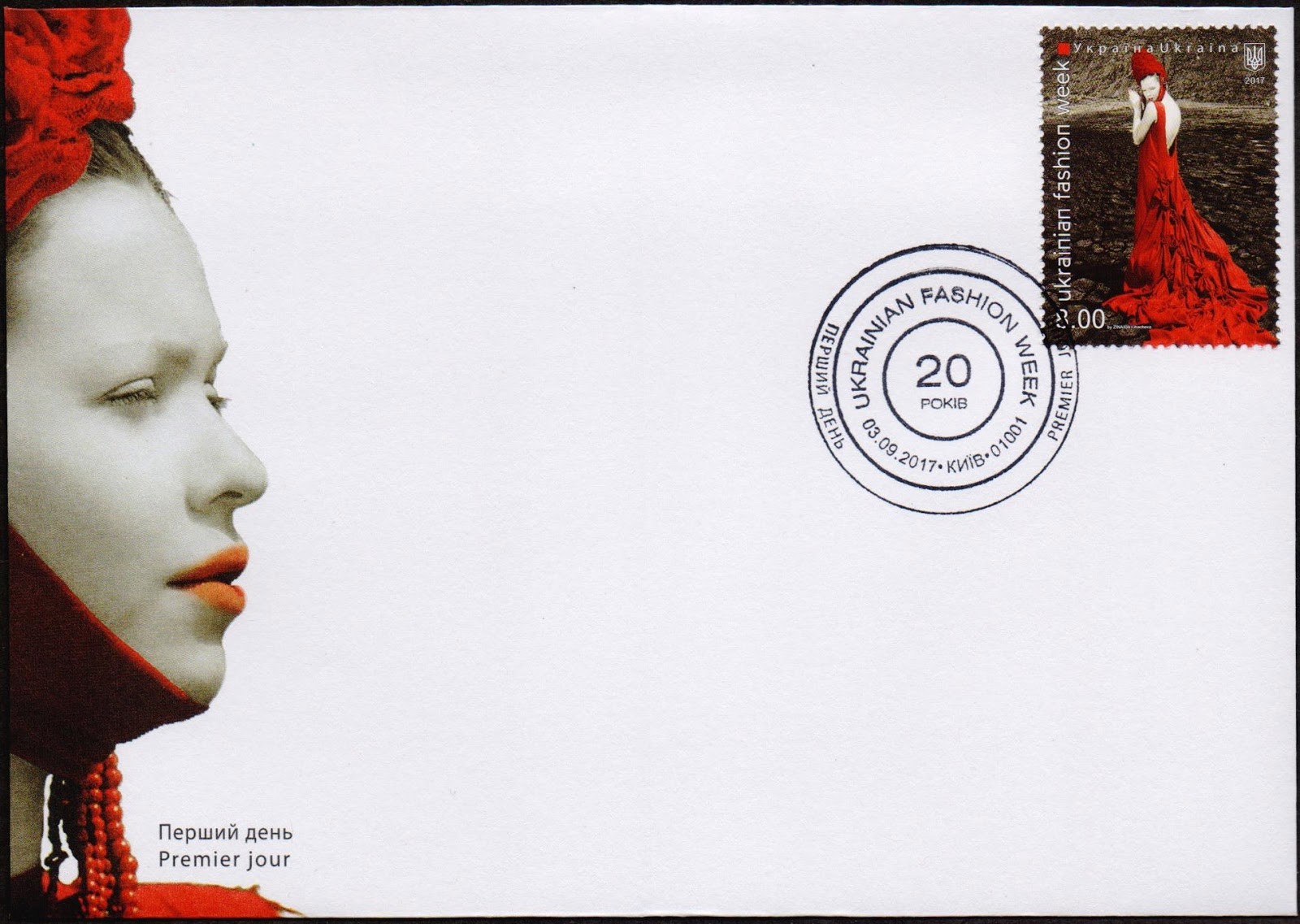
Ukrainian Fashion Week was founded in 1997. The week’s 20th anniversary was marked in 2017 with a special stamp issued by Ukraine’s postal service; the first day cover dated 3 September 2017 carried a “Ukrainian Fashion Week · 20 years” postmark. A fashion week becoming the subject of a stamp stands out as a symbolic detail showing the place the event has earned in the country’s cultural life. In her post, as reported by Glavcom, Danylevska recalled that the week’s concept, rules and format took shape in a kitchen conversation between herself, Bizov and Nechyporuk that stretched late into the night.
In the same post, Danylevska also remembered the high standard of Bizov’s collection shows and the work they did together with L’Officiel magazine. As reported by UNN, Danylevska described the designer with the words “Той, хто створював моду Незалежної України”, meaning one of those who created the fashion of independent Ukraine.
Why it matters
Bizov’s generation built a fashion infrastructure almost from scratch in the early 1990s: private ateliers, the first series of runway shows and, eventually, a lasting fashion week. Behind the work Ukrainian designers show on international stages today lies the path opened by this first generation. This journey, from a single atelier to building a country’s fashion calendar, required not only design talent but also the will to build institutions.
That was also the common thread in the tributes paid after Bizov’s death: his colleagues remember him not only for his own collections but for helping build a structure where others could take the stage too. Danylevska’s words sum up this generation’s share in shaping the identity of Ukrainian fashion.
Seen from Turkey, the story sounds familiar. Building a lasting fashion week in Istanbul also took the long-term joint effort of designers, organisers and publishers. The farewell to founding figures such as Bizov is a reminder that a fashion week is not just a calendar but the work of those who built it. Readers who want to follow the world’s fashion weeks can take a look at our 2026-2027 fashion week calendar guide.
Sources
Image: first day cover and stamp issued in 2017 for the 20th anniversary of Ukrainian Fashion Week (representative image) — Roysma, Wikimedia Commons, public domain

The Instagram posts in this article are official posts by the respective accounts and are published using Instagram’s embed tool; all image rights belong to their owners.