


A model casting lasts only a few minutes, yet it often decides whether or not you land a job. That is why this guide walks you through everything you need to know, step by step, from preparation and clothing to behaviour and safety.
The casting is the most critical and the shortest moment in a model’s path to work. The client, casting director or agency representative sees you within a few minutes. They also look at your walk and your book, and may take a few shots if needed. The introductory visits known in the industry as “go-sees” work in much the same way. To make a difference in that short time, preparation, clothing and behaviour matter. Knowing how to stand up for yourself is just as valuable. In this guide we have gathered practical advice together with principles published by industry bodies and official institutions.
Before you go: preparation
The first step is to find out who the casting is for and what it is for. A fashion brand’s runway selection, an e-commerce shoot and a commercial casting do not carry the same expectations. If you have an agency, get the information from them. Ask for the address, time, client name, the look the client wants and what you need to bring with you. If you do not have an agency, verify that the person or company posting the call actually exists.
What goes in your bag is simple:
- Your up-to-date book (printed or on a tablet) and a few comp cards,
- Identification,
- Heels for castings that require a walk,
- A simple, clean spare pair of shoes for both female and male models,
- Basic grooming items such as a hair tie, moisturiser and a small mirror,
- Water, a small snack and a charged phone for the wait.
Bear in mind that waiting at castings can take a long time. If you are going to more than one address on the same day, plan your travel with extra time to spare. Being late overshadows everything else you show.
What to wear, how to stand?
At a casting, the goal is for the client to see you as a “blank canvas”. That is why simple, well-fitting clothes give the best results. Choose a plain-coloured top that does not hide your figure. Well-fitting trousers or a skirt also work. Big logos, bold prints, loose cuts and too many accessories draw attention away from you. Keep make-up light and wear your hair so that it does not cover your face. Agencies’ rules for digital photos follow the same logic. Storm Management’s application page, for example, asks for make-up-free photos with natural hair. Clothes should fit the body and photos should be unfiltered.
If the client has asked for a particular look (sportswear, eveningwear, a certain colour), follow it. Still, avoid going overboard. Never turn up to a brand’s casting wearing clothes that carry a rival brand’s logo. It is an old rule, and still a valid one.
Inside: behaviour and communication
The assessment begins the moment you walk through the door. A polite greeting, eye contact and a relaxed posture say more than a long speech. If you are busy on your phone or sitting with headphones on while you wait, you will be caught unprepared when your turn comes. You may be asked to walk, strike a few poses or give a short introduction. Take your time and listen to the instructions. Do not hesitate to ask if you do not understand something.
Most castings are brief, and you will not always hear back. Not being chosen is usually not about you but about the specific look the client is seeking for that job. Being professional is the surest path to the next casting. Premier Model Management also writes that agencies weigh punctuality, reliability and easy communication from the very start.
Safety: know your limits
The BFMA, the trade association of agencies in the UK, has a guide. Its best practice guide sets out clear principles for models going to castings and shoots. According to the guide:
- For unusual styling or set arrangements such as nudity, sheer clothing, underwear, fur or working with animals, the model must be consulted and a decision made before arriving on set.
- Unless the photographer is well known, models should not be sent alone to private homes for test shoots or go-sees. The guide recommends they go in pairs. Those under 18 must always be accompanied by a chaperone.
- There should be channels through which models can directly report disputes with an agency, casting director, photographer or brand employee.
These principles were written for the UK, but they are worth keeping in mind everywhere. If you are faced with a request for clothing or a pose that you were not told about in advance, you have the right to say “no”. In such a situation, leave the casting and call your agency.
Before you sign a contract
A job offer or an agency contract may follow a casting. The provincial government of Ontario, Canada, has published a consumer guide on model and talent agencies. The guide offers a good checklist for this stage. Read the contract before you sign it. Do not let anyone rush you. Stay away from an agency that asks for an upfront photo fee. Be sceptical of promises that guarantee work. Ask whether you can show the contract to a lawyer. The guide also recommends cancelling in writing and keeping all correspondence. The time limits and fee rules in this guide are specific to Ontario legislation. For your rights in Türkiye, you should consult a legal professional.
The BFMA guide also expects agencies to give models an up-to-date model contract. It expects them to explain restrictive clauses, particularly on term and termination, clearly. It also asks them to show their commission structure transparently, and expects them not to make models sign unnecessary confidentiality agreements. The contracts of models under 18 should be signed by a parent or guardian.
Beware of “castings” that ask for money
Premier states that it never charges a fee at any stage for applying or taking part, and that demands for a “registration fee”, “portfolio package” or “training course” are warning signs. Storm also warns against impostors using its name, and therefore asks you to verify identity with the agency before getting in touch. In other words, real agencies write from email addresses on their own domain. We have also covered the 12 warning signs on this subject in detail in our guide How to Spot a Fake Model Agency. Finally, you can find trustworthy agencies on our Türkiye Model Agencies Guide 2026 page.
After the model casting: feedback and follow-up
It is normal not to hear a result straight after leaving a casting, because clients often decide only after seeing all the candidates. And if you work with an agency, feedback will come through your agency. Treat every casting as an experience: jot down briefly what went well and what you could improve. This will help you arrive better prepared for the next one.
To prepare the book you take to castings, take a look at our portfolio and comp card guide. There is also an official example on the rights of models and talent. For that, you can consult the Ontario government’s guide to modelling and talent agencies.
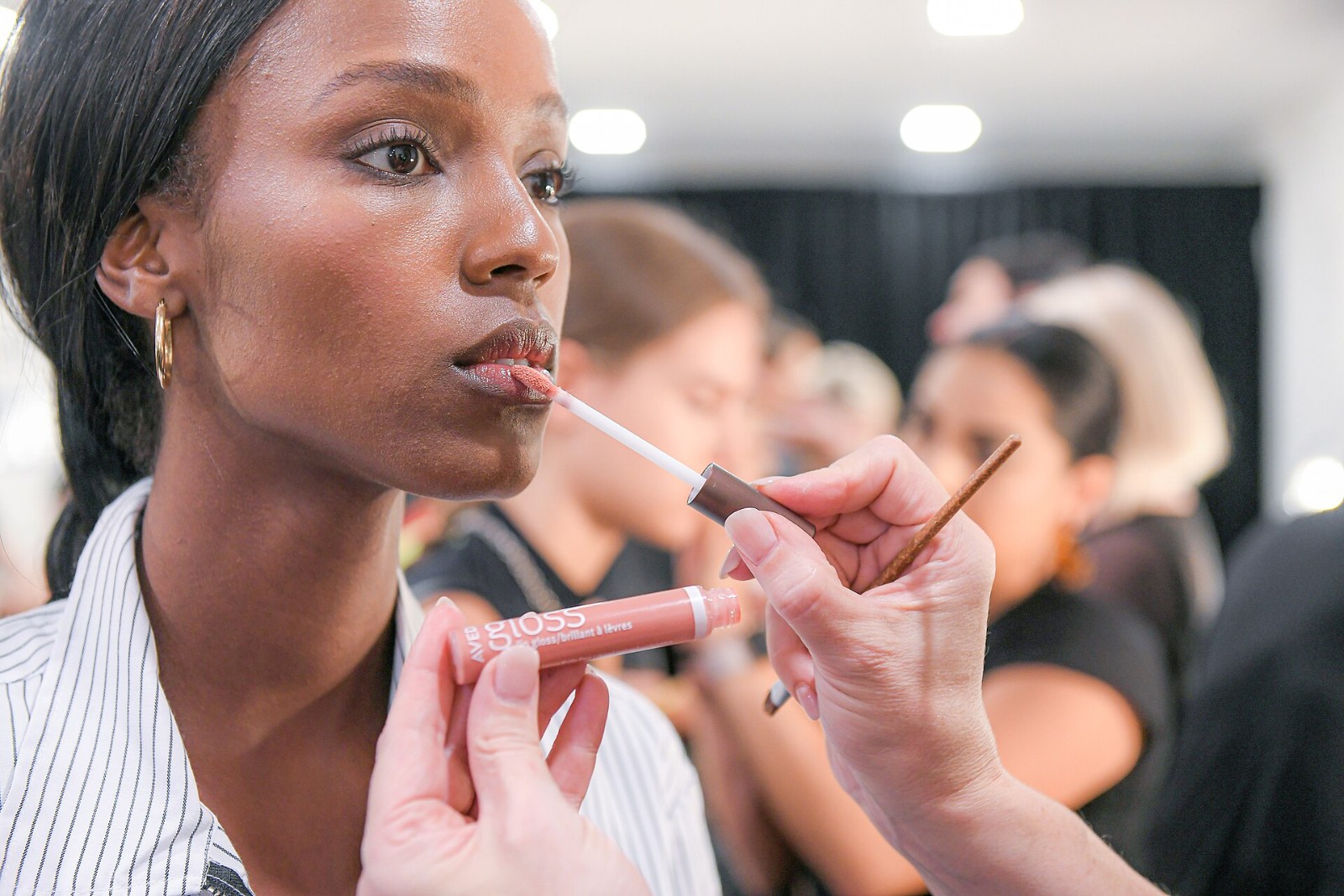
Image: A model having her lip make-up applied backstage at New York Fashion Week, with other models getting ready in the background. (representative image) — Aveda Corporation, Wikimedia Commons, CC BY 2.0
Sources
- BFMA Best Practice Guide (PDF)
- Government of Ontario — Modelling and talent agencies: your rights
- Storm Management — Apply
- Premier Model Management — What Do Modelling Agencies Look For?