


Zara, the largest brand of Spanish fashion group Inditex, has renamed a cowhide product promoted as a yoga mat on its online store following criticism from representatives of the Hindu community. The foldable leather mat is now listed as a gym mat rather than a yoga mat. In an email sent to one of the figures who voiced the objection, Inditex apologised and described what happened as a misunderstanding. The development reached the international fashion press through a FashionUnited report dated 4 November 2026.
Why did the controversy arise?
The product in question had gone on sale on Zara’s website in the United States at a price of 399 dollars. In Spain, the same item was listed under the Zara Home umbrella at 199 euros, and had been called a gym mat from the outset. The controversy began over the product’s name and promotion in the US.
Critics argued that the product brought together two separate sensitivities. On one side was leather made from the cow, considered sacred in Hinduism; on the other was yoga, a practice rooted in Indian tradition and a spiritual discipline for many believers. According to community representatives, the meeting of these two concepts in a single product, and as a marketing label at that, was hurtful.
The campaign was spearheaded by Rajan Zed, president of the Universal Society of Hinduism, based in the US state of Nevada. In his statements, Zed addressed Inditex’s top management directly, calling on the company’s CEO Óscar García Maceiras and chair Marta Ortega, and asked the company to take action over the product. According to FashionUnited, the campaign was first announced in the outlet India News Calling.
Inditex is a fashion group founded in 1963 and headquartered in Arteixo, in the Galicia region of Spain. Alongside Zara, it operates lifestyle brands such as Zara Home in many countries around the world, which means its product copy is read in a wide range of cultural contexts.
Inditex’s response
In an email sent to Zed by the company’s corporate communications department, Inditex apologised and stated that it had absolutely no such intention. The group also stressed that, as Zara and Inditex, it is committed to treating all people, beliefs and cultures with respect. Following the response, the product’s US name was changed from foldable leather yoga mat to foldable leather gym mat. The sources contain no information suggesting that the product was withdrawn from sale or that its price was changed.
Zed thanked Zara and Inditex for taking the community’s concerns into account. He went further, offering a recommendation to large companies: that senior executives receive training in religious and cultural sensitivity before any new product or advertising campaign is launched.
Similar controversies have happened before
This is not the first time leather yoga mats have made headlines in the fashion industry. In 2021, Rajan Zed objected to a Louis Vuitton yoga mat with cowhide details, later thanking the brand after noting that it appeared to have pulled the product from sale. These examples show that as luxury and fast-fashion brands expand into lifestyle categories, namely sports, home and wellness products, they encounter similar sensitivities more often.
Why it matters
The episode showed once again how critical product naming and promotion processes have become for global brands. The same product being sold under an uncontroversial name in Spain and under a contentious label in the US suggests that product copy prepared for different markets does not always go through the same checks. For a group selling thousands of products in dozens of countries at once, keeping cultural context in mind at every step is a responsibility as important as design itself.
Inditex’s quick and quiet response is also notable. Rather than issuing a lengthy public statement, the company wrote directly to the person concerned, apologised and corrected the product name. For industry observers, this can be read as an approach aimed at finding a solution before a crisis escalates. On the other hand, cultural sensitivity training of the kind Zed proposed is still not a corporate standard at many large companies.
Seen from Turkey, the issue is a familiar one. For Turkish ready-to-wear and home textile brands that sell their products in many different countries, this example is a reminder of how important it is to prepare product names, campaign visuals and promotional copy with the cultural and religious sensitivities of the target market in mind. Even a one-word label change can prove decisive for a brand’s reputation.
Sources
- FashionUnited: report on Zara renaming the leather mat
- INDIA New England News: Inditex’s apology and the product’s new name
- Hypebeast: the 2021 Louis Vuitton leather yoga mat controversy
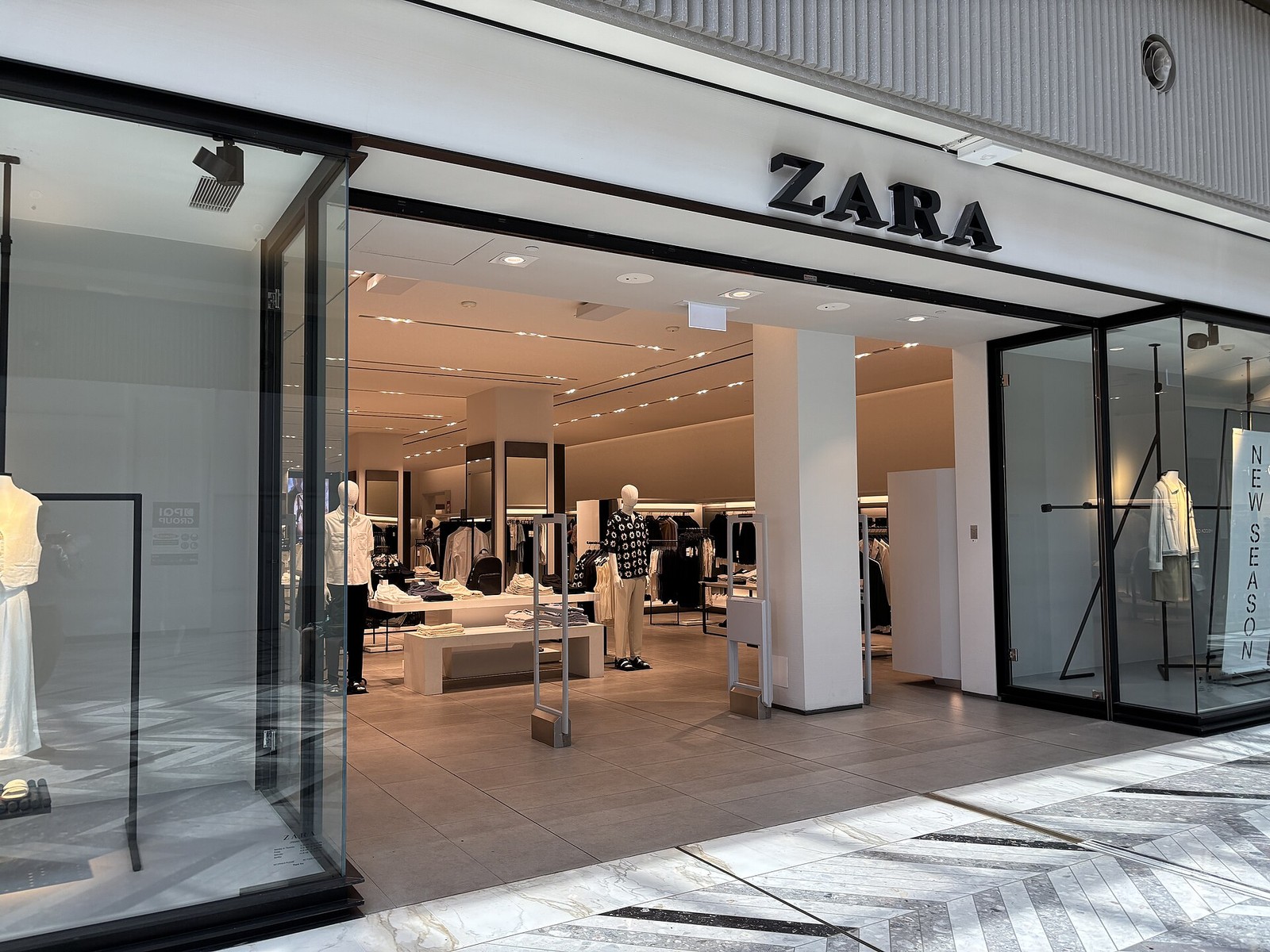
Image: The entrance to a Zara store at the Canberra Centre (representative image) — Nick-D, Wikimedia Commons, CC BY-SA 4.0
